Animals and Zen masters are the most peaceful living creatures. They don’t judge.
I’ve noticed that I’m a lot more judgmental than I’d like to be. And this tendency is a formidable block to inner peace.
I’m on a self-imposed challenge: stop judging people. First, I must be aware of when I judge. It’s strongest when I’m driving. Wow! Do I have very negative thoughts! The good news is that it’s completely impersonal. I don’t know these people. But still…
Will you join me? Next time you’re in the company of one or more other people, notice your thoughts. Are you judging? Be aware. And then let it go. Don’t try to fight it. Just let it go. Just say to yourself, isn’t that interesting? My mind is judging.
As a man changes his own nature, so does the attitude of the world change towards him.
Life happens. Your best laid plans can go awry. And that’s OK.
Make sure you schedule the most important thing for the first thing – so you increase the chances of getting it done.
It’s winter, so it’s dark and cold in the morning. But I force myself out of bed, don my workout clothes, and exercise before I face my students. Working out gets my endorphins going and I feel calm the rest of the day. Just about anything can happen and I’ll feel capable of handling it.
“First things first,” is what Stephen Covey always espoused. It’s all about priorities.
What’s the most important thing for you to do tomorrow? How can you ensure that it happens?
You’re going back and forth between two choices. Your head is swimming with thoughts, your heart is heavy with emotions. You don’t know what to do. How do you know what to do?
First, take a deep breath. Get in a quiet place and quiet your mind.
Think about Choice #1. Pretend you make it. How do you feel? Now do the same thing with Choice #2. Does either choice make you want to confer with friends? If so, that is not the right decision. You shouldn’t have to ask others. You know the answer.
When you make the “right” decision, you will feel at peace, because your decision sits with your life’s purpose*.
On a document, we have margins or space to define boundaries between text and the edges of the paper. It’s aesthetically pleasing. It the words went to the edges of the paper, we’d find it a bit distracting and perhaps difficult to read.
Space devoid of things or noise or thoughts can bring joy, calm and purpose.
When you complain to me, if I take the space of time to process it before I respond, I’ll probably come up with something more equanimous than if I reacted immediately.
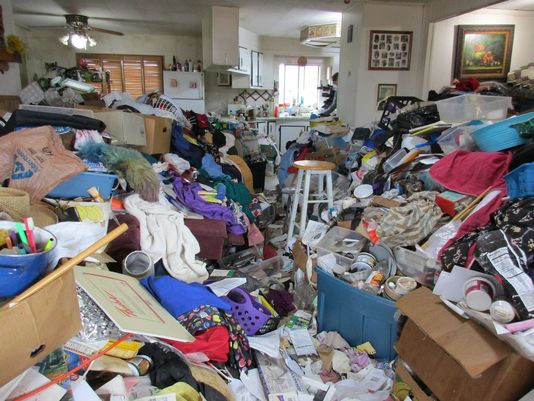
A room cluttered with things might bring a sense of anxiety or disgust.
If you clean it up and there is physical space to sit, lie down, and walk, it will be a more welcoming room.
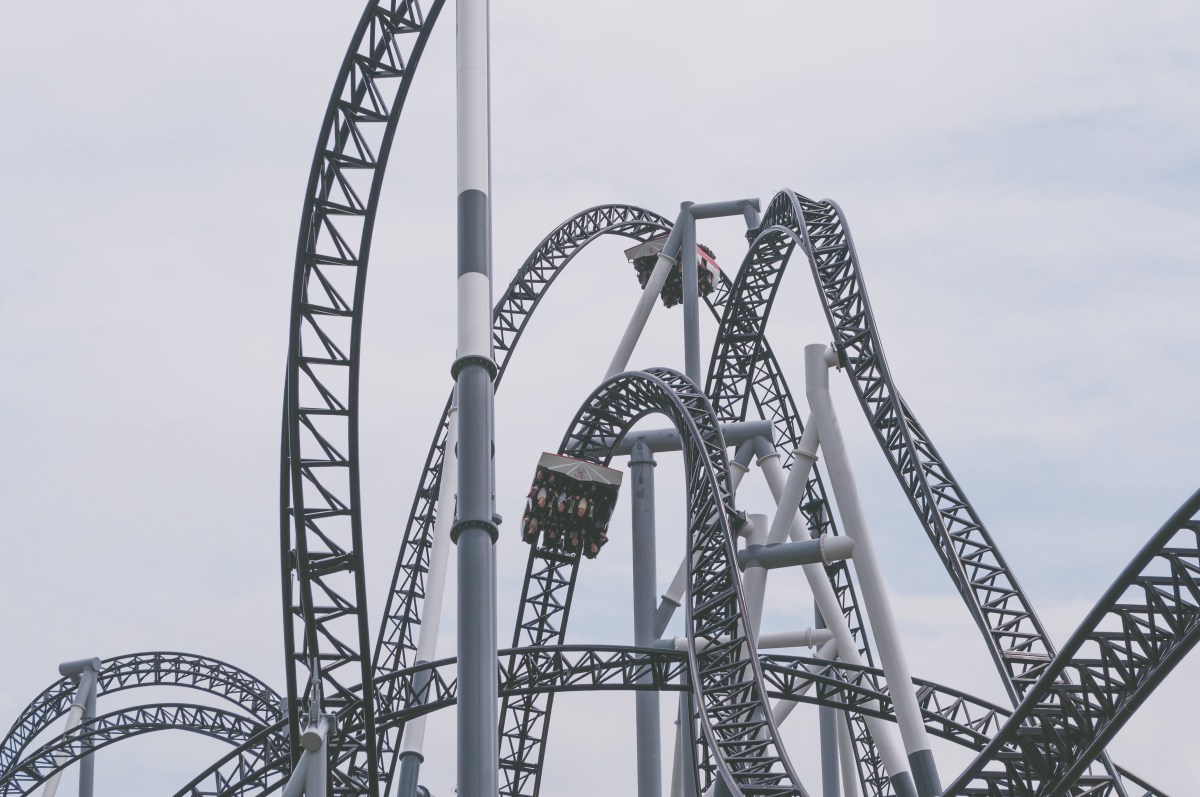
When I meditate, I am focusing my attention on my breath. This allows me to not think any thoughts. The more I practice this, the easier it is for me to enter this state of space and calm. This is good. When something bad happens, I do not need to react. Also, when a good thing happens, there is no need to go crazy. “This, too, shall pass” means life is a rollercoaster and the secret to happiness is to not react to the crazy.
I’ve always been a bit high-strung. I’ve always been a worrier.
I used to spend more time worrying than taking action to stop the worry.
As I begin the last half of my life, I want to be a warrior.
I’m reading Tolle, Singer, the Dalai Lama and Desmond Tutu.
Bday gift from sis…
I’ve read all kinds of books and learned a lot. But I heard Elizabeth Gilbert the other day on a podcast and she said something that clicked (!)
She was talking about her writing process and she said she writes in seasons….you know, as in nature. She said something like this (totally paraphrasing): There’s the quiet (winter) phase, where’s she’s in between projects and thinking, getting inspired. Then she begins research (spring), and she writes (summer) and then does the whole marketing tour bit (fall). And the cycle begins again.
The part that struck me as shockingly KIND to herself was that she gave herself time to just think, rejuvenate, get inspired. She sees it all as an integral part of her creative process.
Wow.
You mean, you don’t have to keep working and sweating?
It made sense to me. Of COURSE, even nature takes breaks. Parts of it die in order to enable other things to grow. This applies to every career, every job, every role in life.
So yes, make your To Do lists and set goals. That is important. But be sure to take the time to relax, re-energize, and follow the cycle. Calmly get each step done. No need for stress.
I just listened to a great podcast with Brian Johnson and Ryan Holiday (The Ego is the Enemy). One great take away (out of many) was the idea that using purpose as fuel for motivation is much more powerful and longer lasting than “passion.”
Often, you’ll hear that you need to find your passion. And that the passion will ensure that you reach your goals. But I’m sure you’ve had days where you didn’t feel that passion and then….you find yourself watching TV or Internet surfing or going out for drinks with friends instead of working on your “passion.”
If you focus on your purpose instead, your motivation goes deeper.
Let’s try an example. Let’s say you feel your passion is music. You practice your instrument and tell yourself that, at last, you’ve found your passion. At last! Now your life has meaning. You practice every single day, happy to be known as The Musician. You audition for a group and you don’t make it. What? But it’s your passion. How could this happen? You practice some more. Audition again. With each rejection, your resolve fades. Maybe this isn’t what you’re supposed to do…maybe you aren’t passionate enough.
But what if you tell yourself that your purpose is to play your best music and bring happiness to others through music? Yes, this is my purpose, you say. So you practice. You audition for parts and you do your very best. You don’t make it. That’s okay, you say. I’m going to keep playing and I’m going to play at the Alzheimer’s home each Saturday, because they always enjoy it. With each audition, you get better. At last, you make it. But you have felt joy all along, because you knew what your purpose was and it was detached from ego.
Purpose is more pure and more enduring than passion as a motivator (but there’s nothing wrong with having both)!









 Kismet