
Where there is anger, there is always pain underneath.
Eckhart Tolle
We might experience far fewer relationship conflicts if we look at those who lash out as those who are in pain…because they are. This is how we practice equanimity.
Where there is anger, there is always pain underneath.
Eckhart Tolle
We might experience far fewer relationship conflicts if we look at those who lash out as those who are in pain…because they are. This is how we practice equanimity.
Anger is a huge ego inflator. Lashing out is an attempt to make someone feel guilty. And then your ego feels superior. But it’s not helpful to you or the recipient. It simply creates more drama.
Elkhart Tolle

Too often, we confuse “anger” with power. Anger is fear-based. It is never necessary.
Intelligent, creative action can only arise from calmness.
Whenever I give a knee-jerk reaction, I almost always regret it. Yet I’ve never regretted deleting the impassioned email or biting my tongue until I can address the issue calmly.
Try this: Next time you are offended (which is just your perception of offensive behavior, by the way), do not react. Think about the action or words. Decide if they are true or not. And react calmly (e.g., “Interesting. No, I do not agree.” Or, “I think you might be right!“)

Ursula Le Guin:
Anger’s useful in combat
otherwise, caustic
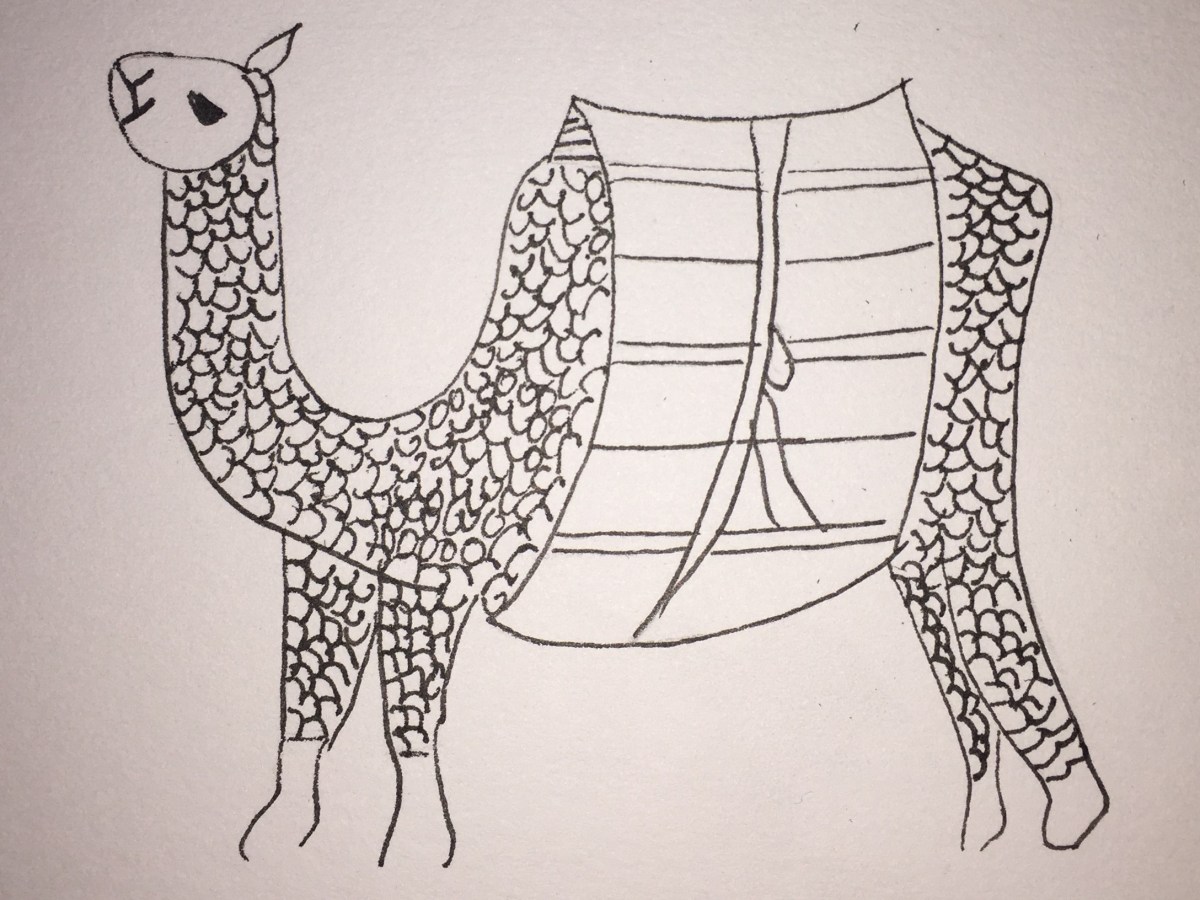
This camel is carrying a light load. Shouldn’t you?
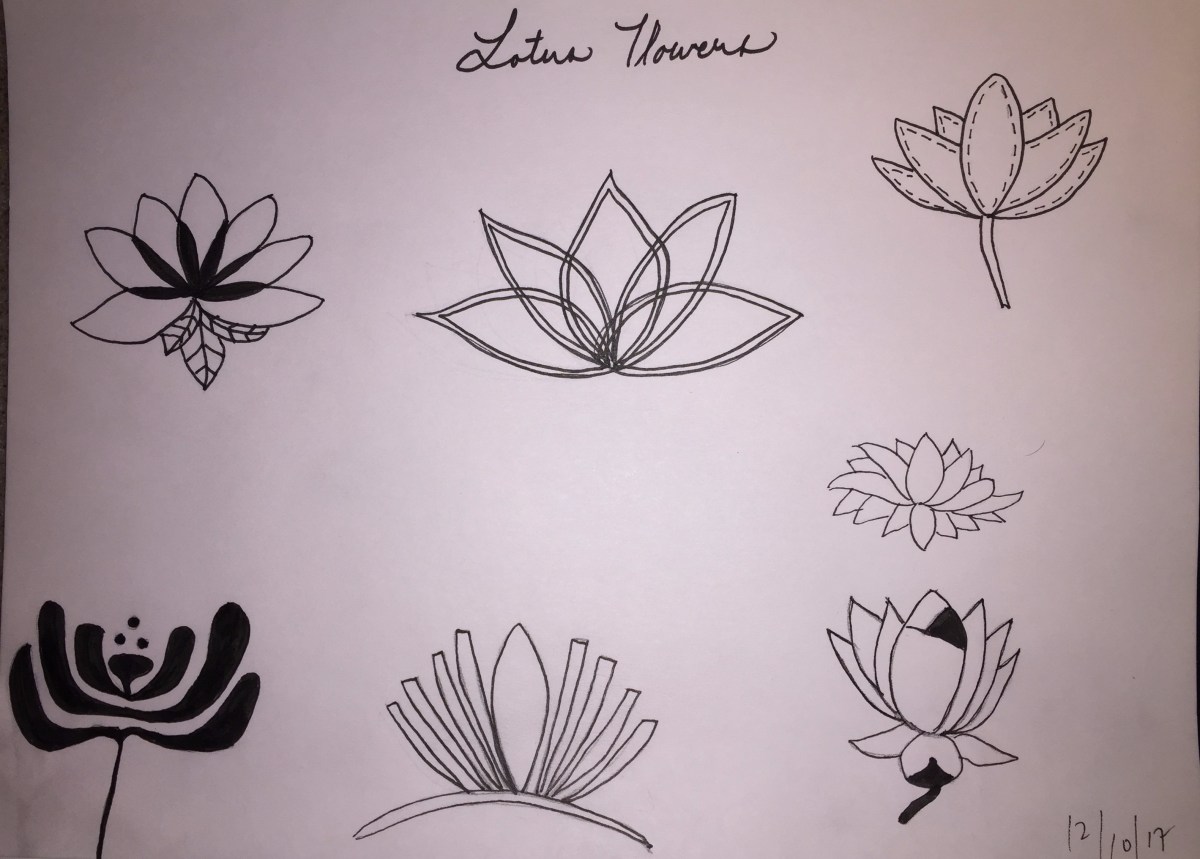
“Without suffering, there’s no happiness. So we shouldn’t discriminate against the mud. We have to learn how to embrace and cradle our own suffering and the suffering of the world, with a lot of tenderness.”
THICH NHAT HANH
Thich Nhat Hanh goes on to say that we are so afraid of facing our suffering (worrying, anger, despair, fears, loneliness) that we go look for something to eat, or drink or watch TV. And many people do all of those at the same time. Even if there is nothing interesting or satisfying to watch, we are afraid to turn the television off, because then we will be left to face our suffering.
But it is necessary to face it.
It makes you stronger.
It makes you lighter.
It leads to happiness and nothing else will.
“Don’t go to bed angry.”
This is an ancient sentiment and lives on to this day, for good reason.
Numerous studies suggest that avoiding anger at bedtime is the most common advice given by couples married for life.
Buddhists and other spiritual teachers advocate the sentiment behind “flower fresh” (Thich Nhat Hanh) (YouTube video) not only for relationships with others, but for our own happiness. Approach each day, each moment, with the freshness of a flower. You do not harbor anger, sadness or worry, which is suffering that you bring upon yourself.
It takes 90 seconds for your body to process the anger both mentally and physically. And then it can be released completely. If your anger lasts longer than that, it’s because you’re holding on to it.
Choose happiness and let it go.
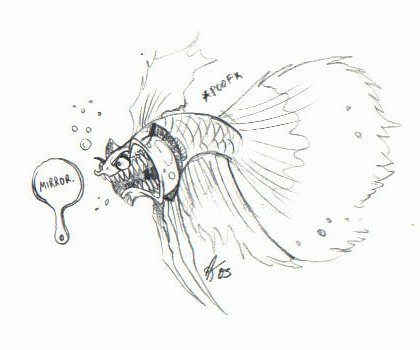
They are the highway betta fish
angry – ready to fight
acting on a baffling death wish
looking to find a bite
outrage is a mirror to fear
but what is there to dread?
perpetual thoughts prompt a sneer
on these lawless hotheads
they won’t stop, those rude road ragers
they’re projecting their mood
when there’s no need to brood
their perspective is skewed

Chodron’s third kind of harmful laziness is the “Couldn’t Care Less” form. This is a harder, tougher version of “Loss of Heart.” For in this type of apathy, we are hardened and angry at the world. We are “aggressive and defiant.” If someone tries to cheer us up, we lash out at them. We use “laziness as a way of getting revenge.” But really, we hurt ourselves the most.
Until we decide to investigate and objectively look at our intentions, we will continue this destructive pattern. We will continue to have our “problems”: health, relationships and career.
It’s simple, but not necessarily easy. Sometimes, we don’t want to “get real.” We are comfortable in our habitual patterns of laziness. But the benefits of doing the work will greatly outweigh any temporary comfort.
 Kismet