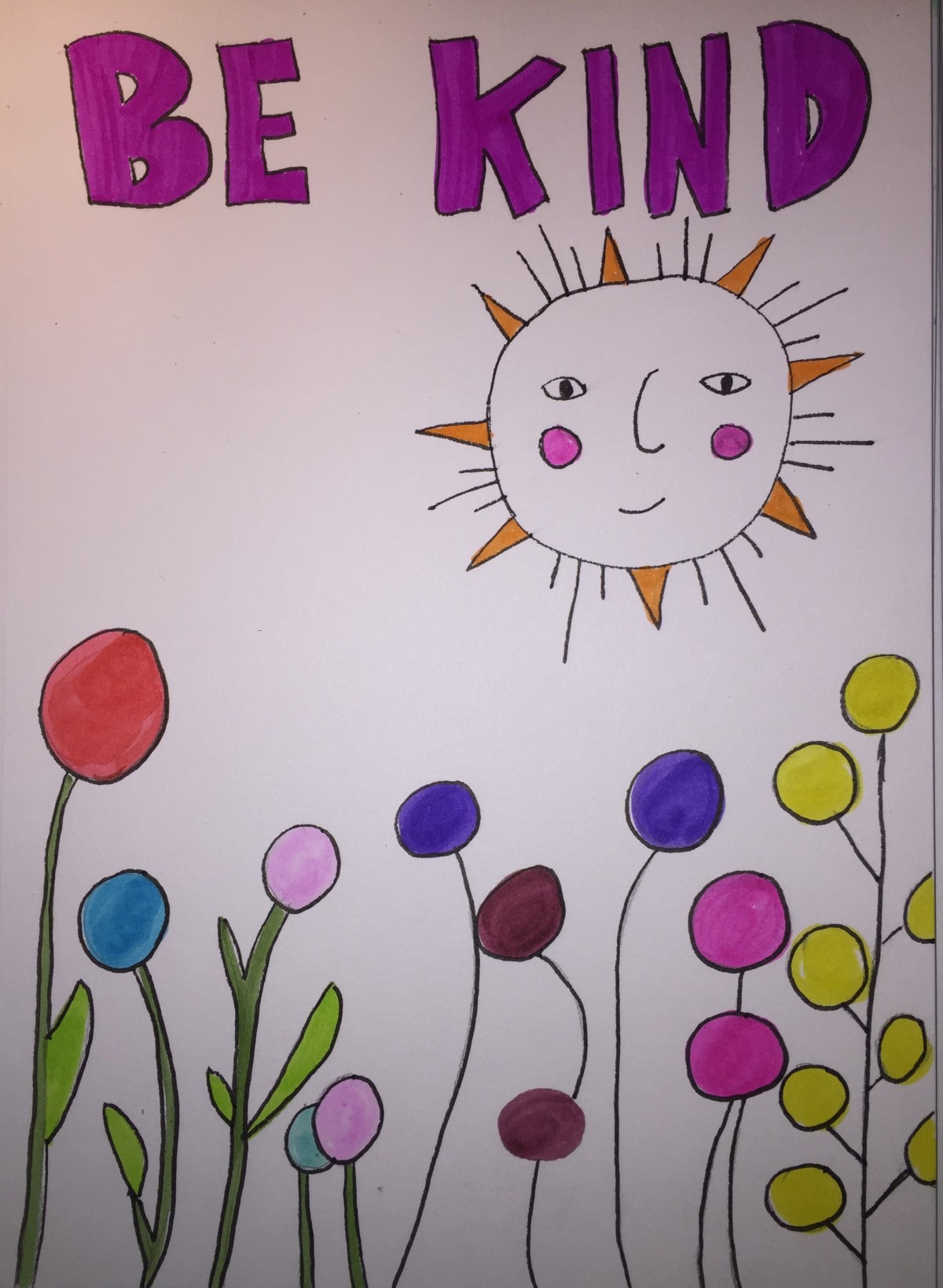
Do a Kindness
Practice a kindness every single day. If you’re already doing this, consider being kind to – yes – a rude person, or someone you are not particularly fond of. It’s challenging, but it’s important, if we’re going to change the world.
Practice a kindness every single day. If you’re already doing this, consider being kind to – yes – a rude person, or someone you are not particularly fond of. It’s challenging, but it’s important, if we’re going to change the world.
I enjoy reading Ryan Holiday’s Thought Catalog blog. He just published an article on “13 Life-Changing Habits to do every single day.” These habits will definitely lead to good things for you!
I’ll share them with you. Here’s #1:
Holiday refers to the stoics often. Here, he informs us that Marcus Aurelius used to keep a morning journal, where he connected with his intentions for the day and planned how he might react to people and events that were less than desirable. This helps us to prepare for potential setbacks.
I’ve studied spiritual masters for years now. One (of many) common threads of assertions is that it is our thoughts that make us miserable (in fact, this might be the most basic tenet). Life is life. “Problems” – as we see them – are never ending.
But because most of us see the same things as problems, we don’t see an alternative way to interpret these events.
Your child didn’t get into the college of her choice;
your son accidentally demolishes your garage door with your car;
your husband loses his job;
you get a cancer diagnosis;
and on and on…
It does look impossible to see these as anything but problems. But are they? It’s just life.
Crying, moaning and complaining about them do no good.
Just handle it and, if you can, laugh at the same time.
Eight years ago, I was diagnosed with breast cancer. I was fortunate: early stage I. But while I recovered from the first of six surgeries, my husband lost his job. His boss cried as he let him go, knowing what we were “going through.” Our two daughters were six and eight years old. We worried about money and their emotional states.
It did seem like the beginning of the end.
But it wasn’t.
I’m here, stronger than ever. Wiser. Fearless.
My husband eventually got his current job – the best one he’s ever had.
Everything happens for a reason. The fact that it is happening is proof.
Handle it. Address the situation without anger, without sadness and without stress, if you can.
The distress and depression come from fighting it.

“Fall with Awareness and Acceptance.”
Bryan Kest

Attending a Red for Ed meeting. So proud to be among these teachers!

It’s Sunday and that means…research update!
Page 91, Paul Tough’s book, How Children Succeed
Cognitive Behavior Therapy (or CBT) involves using the conscious mind to recognize negative or self-destructive thoughts or interpretations and to (sometimes literally), talk yourself into a better perspective.
CBT is just one example under the big umbrella of “Metacognition.” Talking about character, evaluating character are metacognitive strategies.
However, just knowing about strategies is not enough.
Gabrielle Oettingen (NYU Psychologist) says people tend to use one of three strategies when setting goals and only one is very effective:
If/then statements – “If I get distracted from my work, then I will…”
This is setting rules for yourself.
Rules overcome drawbacks of willpower which redirects our attention from the obstacle or challenge and helps us become automatic in practicing positive behavior.
According to Duckworth: “Habits are character.”
Group identity (stereotypes) can have both positive and negative effects on achievement.
Before a challenging math test, female college students need only be reminded that they are female for them to do WORSE on the test than female students who do not receive that identity cue. (p. 96)
Telling students that intelligence is malleable has led to better academic performance.
A study of low-income 7th grade students in Texas were divided into two groups:
The first group performed significantly better – girls who used to lag behind boys in math closed the gap completely.
16. Report Cards
Dual-purpose instruction – when teachers deliberately work explicit talk about character strengths into every lesson.
Optimism, self-control, social intelligence are a few examples
“Character strengths can become character weaknesses.” For example, someone with too much grit might then be weak in empathy towards others. There is a balance that needs to be reached.
17. Climbing the Mountain p. 101
KIPP School – tracking students in college
“…it’s the character piece that has held some back (procrastination). Depression is also an issue.”
The impact of poverty catches up even with children who are resilient.
Character can function as a substitute for social net that the middle and upper class kids enjoy.
To succeed, they need more grit, social intelligence and more self-control than wealthier kids.
But KIPP students who graduate do not have just a diploma. They have the knowledge that they climbed a mountain to get it.
Any time you feel defensive, your ego is being manipulative. You are attempting to hold onto an identity that you want others to perceive.
Meditate on it. Change if it makes sense to…or just let it go.
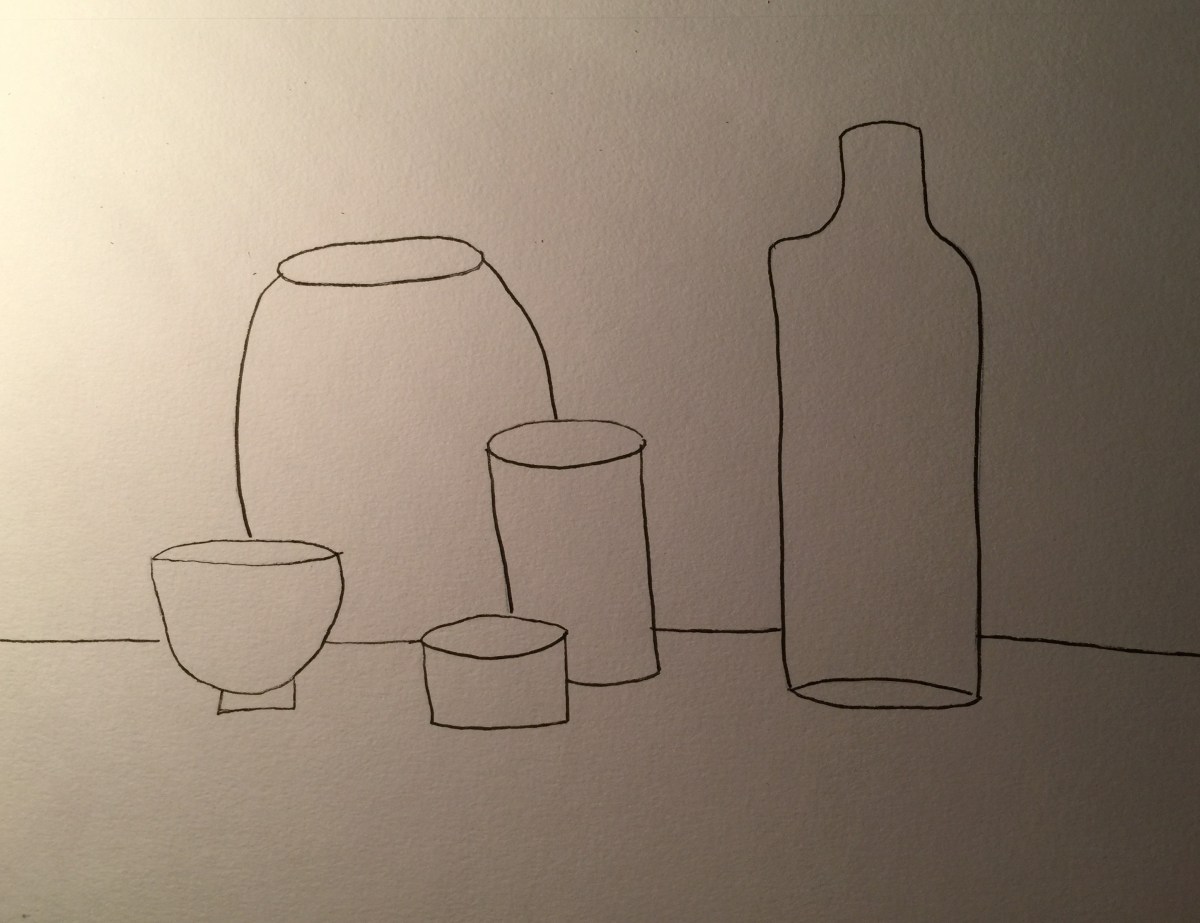
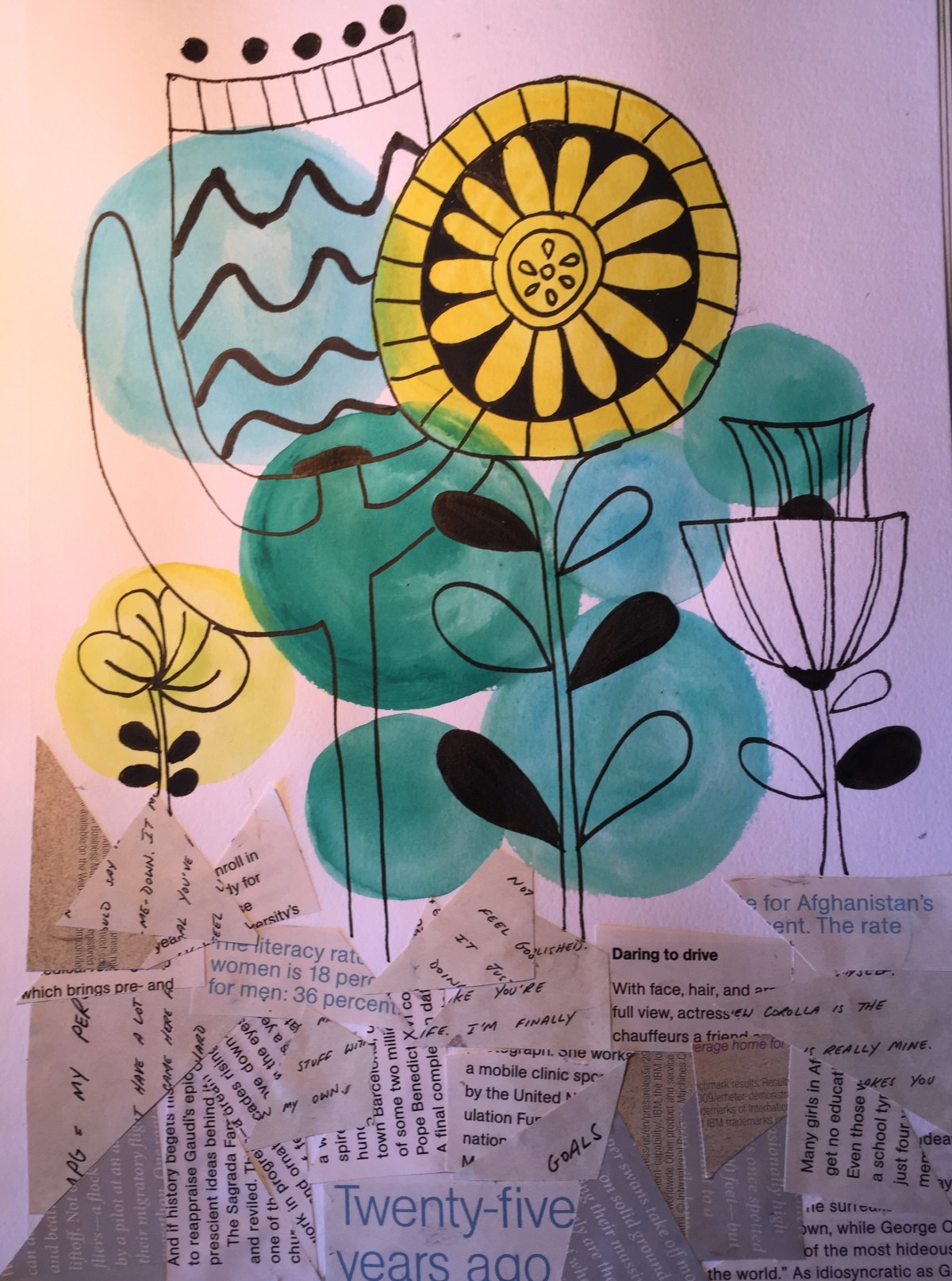
As a huge fan of Lisa Congdon, I’ve basically exhausted her classes on Creativebug.com. I decided to venture out and try another artist: Molly Hatch. She’s awesome and does design work for Anthropologie. I’ve never taken art classes and she taught “the basics” which are very good to know:
Rule of the Thirds:

Basically, you make a grid of thirds (She did it on tracing paper) to help you visualize the “four corners” of intersection.” The focal point of your art (for the viewer) will be in the center and ideally, your art should touch these areas.
I love being a beginner – everything is fresh.
Art washes away from the soul the dust of everyday life.
Pablo Picasso


What could possibly be the effect should this continue?



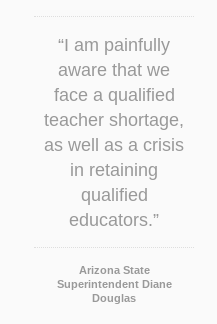
Solutions currently being considered implemented:
 Kismet