
“Fall with Awareness and Acceptance.”
Bryan Kest
“Fall with Awareness and Acceptance.”
Bryan Kest

“There is nothing to fear, but fear itself.”
Franklin D. Roosevelt

“If I think you’re my problem, I’m insane.”
Byron Katie

Any time you feel defensive, your ego is being manipulative. You are attempting to hold onto an identity that you want others to perceive.
Meditate on it. Change if it makes sense to…or just let it go.

Here is a continuation of my notes on Paul Tough’s research regarding “grit, curiosity, and the hidden power of character” as it pertains to children:
“Duckworth realized self-control has limitations. She believed that a passionate commitment to a single mission and an unswerving dedication to achieve that mission are more relevant when it comes to inventing something new or creating an award-winning (movie)/project. She called this characteristic grit.”
She created a 12 (now 10) question survey that turned out to be a remarkably accurate predictor of success.
It was more accurate a predictor of graduation rates for West Point than their own assessments.
Levin, Randolph, Seligman and Peterson narrowed a set of strengths that were indicators of life success and happiness:
They then created a “character report card”
Much confusion among educators regarding “character” – is it moral? Is it “performance character?”
Wealthy families may have “helicopter” parents (parents who hover over their kids as they do homework, sports, etc) but that does NOT mean they are spending quality family time together. In fact, many high-achieving, wealthy families are not closely bonded.
KIPP used to practice a lot of disciplinary action (some of which Levin regretted)
SLANT – stand up, listen, ask questions, nod, and track – taught at KIPP 5th grade
Code-switching – you must learn and practice proper behavior for the museum, college interview and nice restaurants
Rich kids at Riverdale wear casual clothes and slouch
Kids at KIPP are taught to have good posture and track teachers…formal speech
The administrators of both schools disagree on this point – what should students be taught?

How passionate and persevering are you? Duckworth’s research shows the power of grit (courage and resolve). This is a strong indicator for success. People who score high in grit rarely quit or drop out of their pursuits.
Click here to answer the 10 questions: The Grit Questionnaire
How’d you do?
Grit is something you can work on. Duckworth believes you can use your results to reflect and increase your grit (if you want).
The following is a continuation of my notes on Paul Tough’s book, How Children Succeed:
Chapter 2 HOW TO BUILD CHARACTER p. 49
Climb the Mountain to College – college was always the goal
But only 8 got a college degree
Culture shock – overwhelmed
While in KIPP, they felt and acted like a family
KIPP did not prepare them for high school emotionally or psychologically
Nobody checks your homework
Levin noticed that the kids who succeeded in high school and graduated from college were not necessarily the highest academically. They possessed other gifts: optimism, social agility, resilience. Levin called these CHARACTER STRENGTHS.
Martin Seligman – Learned Optimism – it’s a skill that can be learned, not innate
Pessimistic adults and children can train themselves to be optimistic
Will lead to more happiness, health and success
Seligman – depression is simply a severe low mood
Pessimists react to negative events by explaining them as permanent, personal and pervasive
(e.g. failed a test because you’re stupid, not because you failed to prepare)
Seligman yelled a lot, in his class
Levin did a book study with his staff. Why do some of our students feel not well-liked?
Levin grew up in a ritzy area of Riverdale – he was a standout student in math and science AND the captain of the basketball team; Director of his boarding school believes CHARACTER is missing in today’s qualifications in school (grit, working hard, perseverance).
Daniel Goleman – Emotional Intelligence
Randolph, Seligman and Levin had a meeting – the beginning of a fruitful alliance
Character Strengths and Virtues: A Handbook and Classification by Seligman and Peterson
A study in character; an effort to identify (concretely) what character is
Finalized 24 character strengths they believed to be universally respected
includes : bravery, citizenship, fairness, wisdom, integrity; love, humor, zest, appreciation of beauty; day-to-day interactions (social intelligence), kindness, gratitude
–These virtues were chosen because they could lead to the “good life” of fulfillment and meaning – had practical benefits
Seligman and Peterson – defined character as malleable – skills you can learn and practice and teach
Seligman, Levin and Randolph turned to Angela Duckworth (in her PhD dissertation, after working in schools, she said the problem was not just in schools, but students themselves) “Learning is hard…it can be daunting, exhausting and sometimes discouraging…character is at least as important as intellect.”
Duckworth started her research with self-discipline: 164 8th graders.
Self-discipline levels were more indicative to GPA than IQ.
Collaborated with Walter Mischel, famous for his marshmallow test with four-year olds (delayed gratification study).
Duckworth was intrigued by this study – how did those with more self-discipline strategize or help themselves to delay gratification?
“Children who did best at this test created their own distractions.” [Talked, sang, covered their eyes, one kid took a nap]
With simple prompts, children were able to think of the marshmallow abstractly, which led to higher success.
After a six week long course to help students develop self-discipline, students believed they improved, but they didn’t.
Marshmallows were easy…very clear goals.
High school and college graduation are not as clear or tangible.
Duckworth divided the mechanics of achievement into two: motivation and volition. BOTH are requisites.
What if students just aren’t motivated to achieve the goals their teachers or parents want them to achieve?
All the self-control tricks in the world will not help.
But motivation can still occur. It’s just highly complex. Rewards sometimes backfire.
Reward systems in schools (stickers, candy, prizes) have not been successful.
No one really knows how to motivate people well.What motivates us is hard to explain and hard to measure.
Different personality types respond differently to different motivations.
The coding-speed test (Segal) actually tested the test-takers’ inclination to force themselves to care about the world’s most boring test.
It was proof that they TRIED harder. The low-stakes, low-reward test predicted how well someone is going to do in life. Over decades, Segal gave the test to the same people and in their forties, he compared their salaries. Those who scored high on this test made considerably higher salaries.
What Segal’s study measured was conscientiousness.
Brent Roberts, U of IL (Urbana-Champaign) – reigning expert on conscientiousness
This was not studied much by researchers because it denoted “control” and nobody wants to talk about people being controlled. However, Industrial/Organizational Psychology grew into everyone’s consciousness – because companies want to hire the most productive, reliable and diligent workers they can find. They found that conscientiousness was critical.
Roberts found that people high in conscientiousness:
The Downside of Self-Control (p. 71)
People who are critics of the education setting are not swayed by conscientiousness findings.
“Strength of character” – includes conscientiousness, responsibility, insistently orderly, determined and persevering.
I love our dog. But she’s an anxious case…she can’t relax:

So I’m baking her favorite peanut butter cookies – the ones with all natural ingredients, like molasses and crunchy peanut butter.
But shhhhh! It’s a secret.


What could possibly be the effect should this continue?



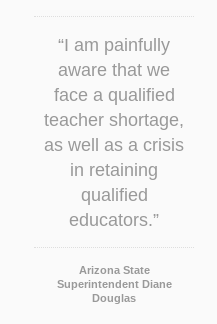
Solutions currently being considered implemented:

Creativebug.com.
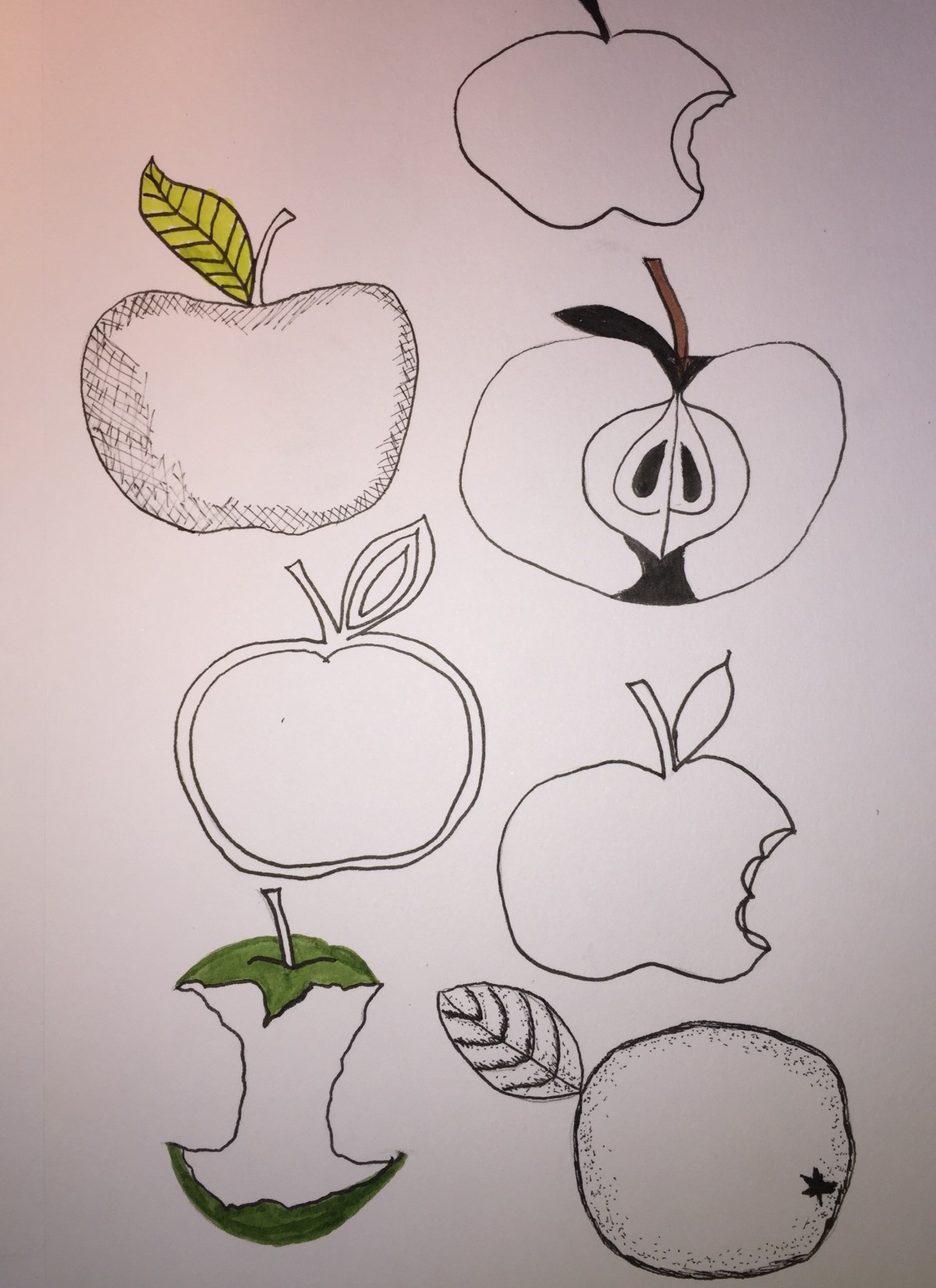
Since taking a (trial) Lisa Congdon art class in watercolor, I’ve made drawing and painting part of my morning ritual. I don’t know where this will lead me (maybe my second self-published children’s book as author and illustrator?)…but I know I enjoy the process.
Subscription options for Creativebug.com are below:

They offer a multitude of art classes:

When you consider the cost of classes at your neighborhood art academy or fabric store, this is a steal: unlimited classes all month for $8!
 Kismet