Don’t forget that stress and complaining are choices. Complaining is a form of denying reality*. It also makes you sound like a victim. You don’t want that, do you?
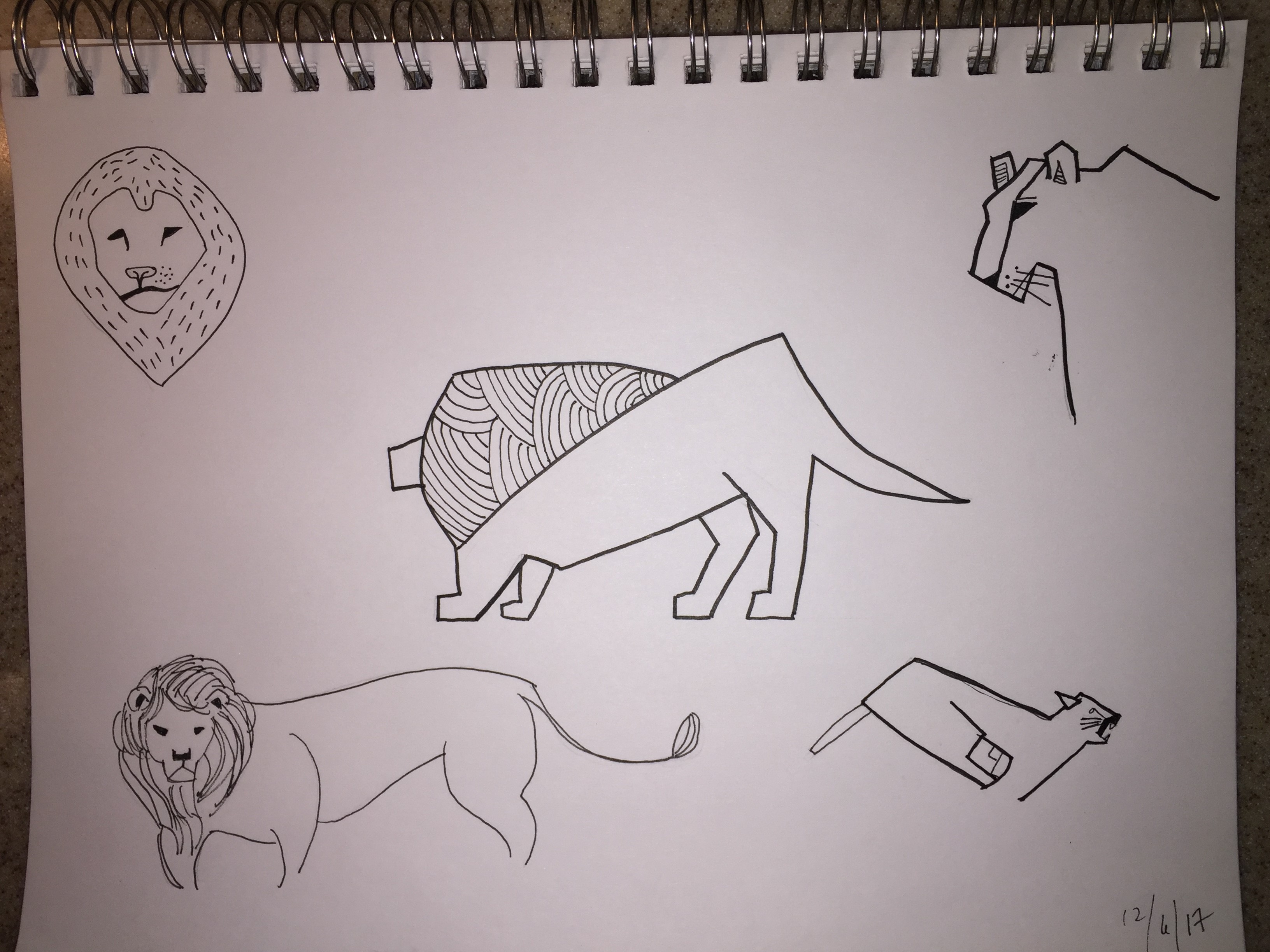
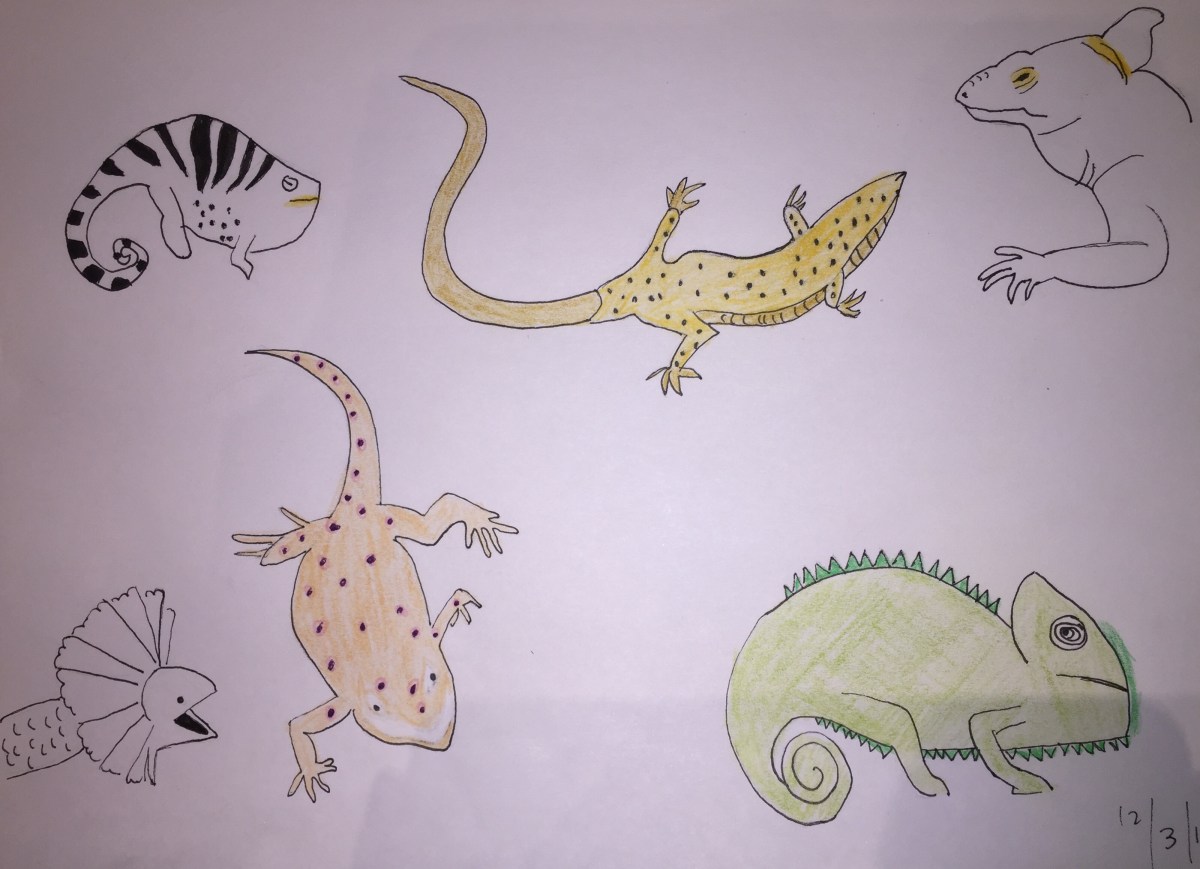
Below are my drawings for today. They are incomplete. I helped my daughter learn how to drive today. Someone honked at her loudly as she paused at the red light, uncertain if she should go or not. She got stressed. And then we went out to help her buy her boyfriend a birthday gift. She worried it wasn’t enough. I assured her that her thoughtfulness in choosing the gifts was what really counted.
I am now at my other daughter’s high school concert. When all is said and done, I will have been here with her for six hours. I didn’t get to complete my drawing or get my workout in or get any holiday shopping done. Oh well. But I did get to have a wonderful lunch with her between two concerts and talk about everything she wanted to share with me. We ate and talked and ate and talked and then we had enough time to buy makeup from Target before going back for her final performance.
It’s all good. I’m grateful I can do these things – be completely present for each of my daughters…and be completely present while I draw my funny-looking lizards.
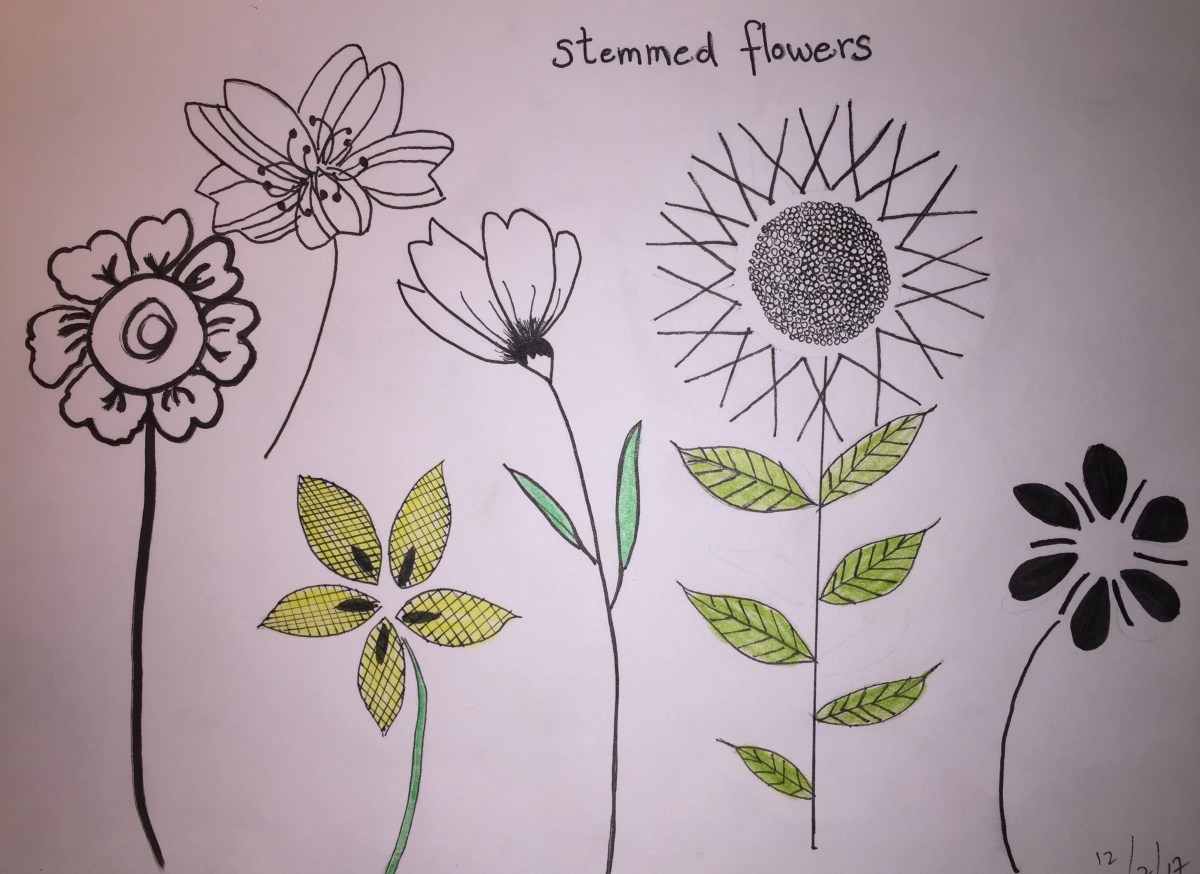
Georgia O’Keefe was a great lover of flowers. She believed that looking into a flower, you were in a new world and she wanted everyone to have that experience. But alas, she knew too many people were in a constant state of hurry. Wouldn’t this world be a better place if more people stopped to admire flowers?
Student Council member: “We didn’t get out Student Council t-shirts in time for Club Picture Day?”
Me: “No, they haven’t arrived.”
StuCo member: “Wow. That’s a problem. That’s a real issue.”
Me: “No, it’s not. We’ll get them when we get them. We will take our pictures wearing what we’re wearing and smile. It is what it is.”
At first blush, this sounds like a negative and cold response. But diving deeper, you can see that “It is what it is” is actually a great way to deflect negativity. Why stew about something that we cannot help? Why feel bad and see “no t-shirts” as a problem? There is no solution except to accept it, happily.
This doesn’t apply to areas where there might be a solution of course. I am a proponent of seeking creative solutions to any and all problems. But in cases where there is nothing to be done, why fret?
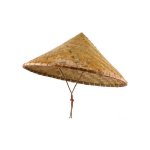
I was ten and at a slumber party. My parents rarely ever let me spend the night at a friend’s house, so I was thrilled. We had pizza and a pillow fight. As it got late, one of my friends put a large paper boat on top of her head. It looked like a Vietnamese rice paddy farmer hat – a coolie.
She bowed and said,”Ah so!” Everyone laughed. They thought it was funny. I got angry. I was the only Asian girl there.
Now, decades later, I know that anger is a symptom of sadness and pain. I was hurt because what she did made me feel like an outsider, I felt different from them. But did she mean to do that? No. The pain I felt is what I caused because I assumed (at first) that she was being malicious, but she wasn’t. I projected my feelings and beliefs on her.
If you are suffering (worried, angry, sad, insecure, jealous, etc.), you are causing yourself pain. You are choosing it. I know it sounds over-simplified and not entirely true, but it is. Mental illness aside, if you’re wallowing in self-pity or proud to be a road rager, you’re choosing it.
This is an ancient sentiment and lives on to this day, for good reason.
Numerous studies suggest that avoiding anger at bedtime is the most common advice given by couples married for life.
Buddhists and other spiritual teachers advocate the sentiment behind “flower fresh” (Thich Nhat Hanh) (YouTube video) not only for relationships with others, but for our own happiness. Approach each day, each moment, with the freshness of a flower. You do not harbor anger, sadness or worry, which is suffering that you bring upon yourself.
It takes 90 seconds for your body to process the anger both mentally and physically. And then it can be released completely. If your anger lasts longer than that, it’s because you’re holding on to it.
“Your partner is your mirror…to think your partner is anything but a mirror of you is painful. When you see him flawed in any way, you can be sure that that’s where your own flaw is. The flaw has to be in your thinking, because you’re the one projecting it.”
Byron Katie
Katie tells a story in A Thousand Names for Joy about the time she came home, excited to eat her snack which she carefully placed “on the top shelf, to the right” in her fridge. But it was gone! Her reaction: she chuckled. “If I had believed stressful thoughts such as he’s so inconsiderate! He knew it was mine…he ruined it all, then I would have been annoyed, resentful and even angry with him.” Instead, Katie laughed at her plan gone awry. She chose to not believe those destructive thoughts. “…It turns out, I bought it for him.”
My marriage is a very good one. My husband and I share plenty of laughs, but I can get into ruts where I am bothered by something he is doing (or not doing). We have four cars right now with only two drivers in the house (him and me). He can’t let go of his Alfa Romeo, which is beyond repair. I tried to think of what I could say to get him to get rid of it. I started to feel a bit resentful as I imagined an argument and then I stopped.
Just let it go. Do not fall for these thoughts! He’ll release it when he’s ready.
The thought continues to intrude…we have a car outside in the 114⁰F heat, because we have a three car garage and FOURcars!
So what?
I decide to chuckle.
My husband is sentimental. He appreciates that car. He loves that car.
And I love him. I love this life.
Katie’s assertion that marriage is really your relationship with yourself is spot on.
Until I started studying spiritual philosophy, I had a narrow definition of suffering which encompassed mostly physical pain: headaches, cancer, childbirth, broken bones, etc.
But I have realized that suffering is really what we do to ourselves with our (negative) thinking. Anxiety is suffering. Depression is suffering. Guilt and regret are suffering. Worrying is suffering!
In the path to non-suffering, one essential practice (according to the Tao, Buddhists and other spiritual practitioners, such as Eckhart Tolle) is to refrain from resisting reality. For example, if you are planning an outdoor party and it rains as your guests arrive, you do not resist reality (the rain). Instead, you simply move the party indoors and continue your celebration. If you complain and cry out against the rain, will it stop? No. But you pollute the environment for those around you (family and friends) with your resistance.
I propose a concerted effort to watch one’s language in this pursuit: eliminate the words “I wish.”
“I wish it wasn’t so hot in Phoenix!” [forecast: 110°F today]
“I wish my children were better at (fill in the blank)”
“I wish my spouse/co-workers would…”
Wishing for something that is counter to reality is inviting misery, disappointment and anguish.





 Kismet