Photo by Chris Brignola
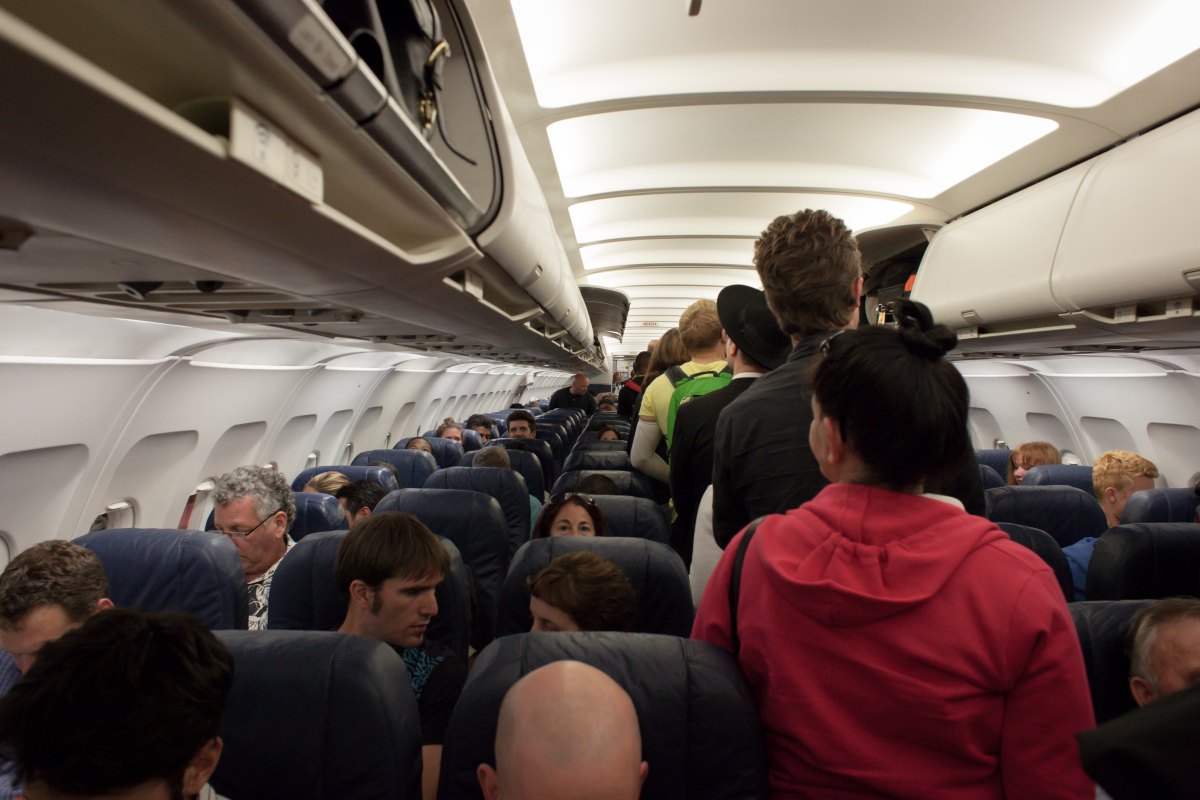
…don’t we board planes from the back to the front?
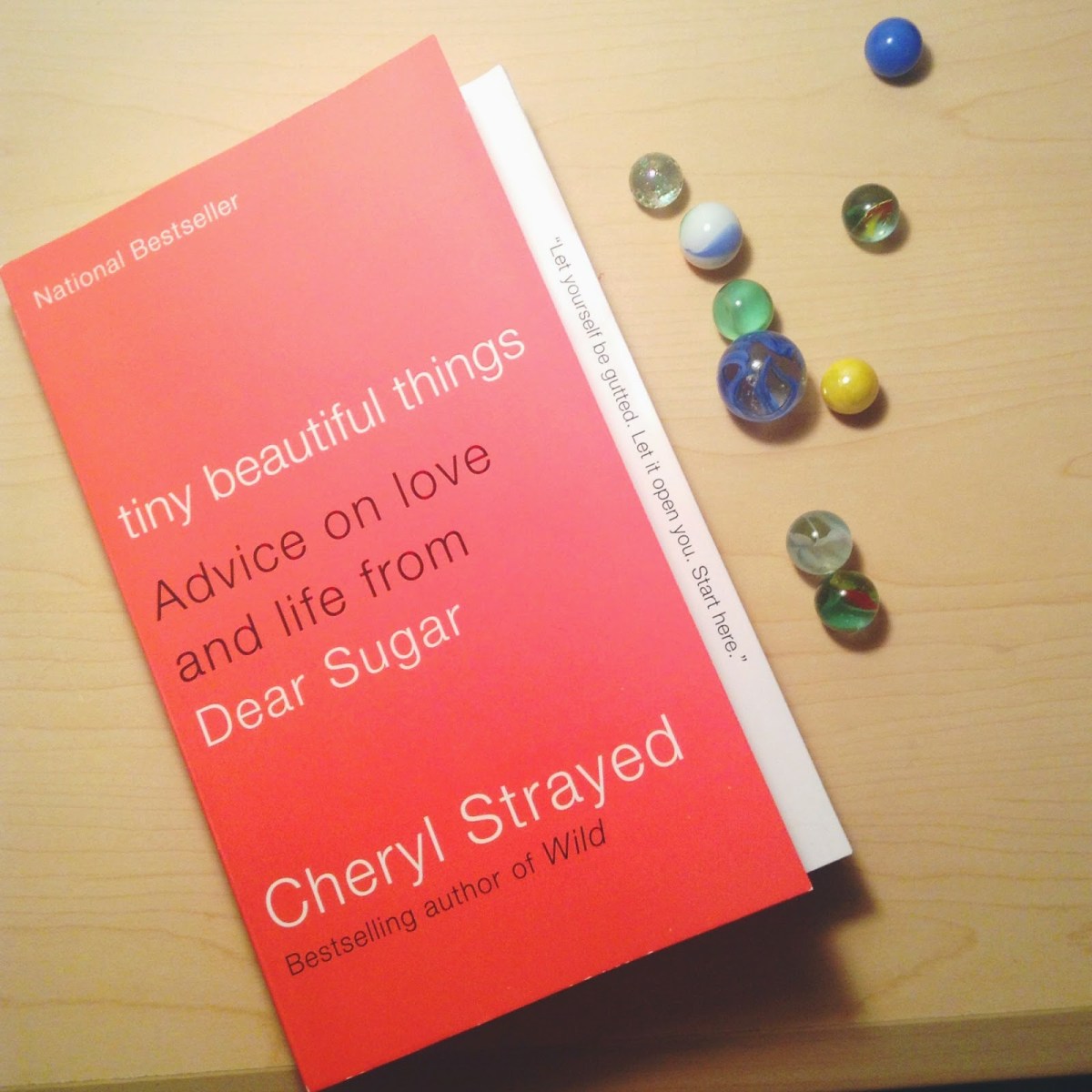
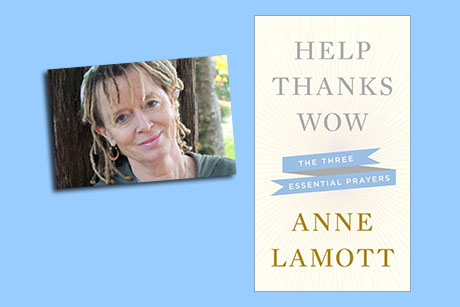
I’m also about to read Help Thanks Wow from Anne Lamott. I know I will love this book, because I absolutely adore Lamott!

I unsubscribed an email I received the other day. And then another. I don’t even remember signing up for these emails. Sometimes, they are a hindrance. Solution: Unroll.me.
This is a free service. All you have to do is go to their website and submit your email address. You do have to allow them access to your contacts and email (of course) and they will process for a few seconds.
Result:

You pick and choose through your current subscriptions:

If you’re getting too many unwanted emails, check them out!
Periodically, they’ll tell you they found more subscriptions and you’ll get an opportunity to refresh and review. It’s a great way to quickly whittle your inbox down!

I’ve had my share of jobs in my career and consequently, many bosses. I’ve had a couple excellent managers and too many bad ones.
What’s a bad boss? Well, I had one who actually spied on my group while we we met to see if we were working. She treated us like children. She rarely praised anyone yet openly criticized us. As a result, most of us acted like children. When she was off-site, some of her employees came to work late, left early and goofed off during extra long breaks. She didn’t treat us like professionals, so (most of us) did not act like professionals.
One of the best bosses/supervisors I’ve ever had just retired. He treated us like professionals. He believed we were experts in our areas. He gave us respect and in turn, we respected him. He was unshakeable. If a “crisis” occurred, he handled it, with class and if possible, with humor.
Leaders ought to carry themselves the way they want their “followers” to behave. They exude confidence in themselves and their employees/civilians. They are astute observers and possess strong people skills. They do not speak ill of anyone (even opponents or competitors). Instead, they emphasize the positive and instill optimism within their team.

“I have laugh lines! I am getting gray hairs that stick straight up on end!”
“Well, it just makes it easier to pluck them out,” I said, trying to cheer her up.
“I am not going to complain about getting old. I LOVE aging!”
I looked at her sideways. This was unexpected. Who loves aging?
She explained, “We’re lucky to get old. Not everyone does. We should celebrate getting older, we’re so fortunate to keep living!”
Indeed.
I’ve decided that even though I live in America, where it is becoming a crime to be gay, trans, Mexican-American, Muslim or old, I hope we will eventually be like Taiwan when it comes to social issues. I’m not gay, but as an Asian-American, I know what discrimination feels like. In Taiwan, gays have equal rights. The Taiwanese also respect their elders and take care of them. So I’m going to walk around proud in all my Asian and old glory because I know I’m lucky to be alive and kicking.

“One line of dialogue that rings true reveals character in a way that pages of description can’t.”
Anne Lamott, Bird by Bird
Natalie Goldberg recommends that you listen carefully to dialogue and speech when you are in public places. Yes, it’s eavesdropping. But it’s also professional development. You’re not listening to be nosy. You’re listening so that you can be a better writer. Listen carefully to cadences, slang, vocabulary and observe mannerisms, facial expressions and reaction times.
How do people reveal themselves? What are they wearing? What does disappointment look like? What about fear? Joy?
Writers are keen observers. Dialogue is part of honesty that Lamott mentioned in chapter one of Bird by Bird.
The more accurate you are about observing and recording, the more authentic your story will be.
“The very first thing I tell my students on the first day of a workshop is that good writing is about telling the truth.”
Anne Lamott in Bird by Bird
The truth. It’s clear we want the truth, even in fiction. We can spot a lie within a fiction story instantly. That character would never do that! And then we get angry. Have you ever watched your favorite TV series and then someone does something completely out of character and it makes you so angry you quit watching? Ahhhh…for the love of ratings!
Great art is about presenting the truth. It has to come honestly from the heart, not from the desire to shock or manipulate emotions or increase your follower count.
Lamott emphasizes throughout her book the importance of allowing the characters to come to you and to reveal themselves to you. She cautions against inserting dialogue, action and plot that doesn’t emanate naturally from the characters. It will sound forced because it IS forced.
I’m not a painter, sculptor, photographer or actor, but I believe this philosophy pertains to all arts. As a famous sculptor once said,
“…a knot of wood or a block of marble made it seem that a figure was already enclosed there and my work consisted of breaking off all the rough stone that hid it from me”.”\
Auguste Rodin (The Guardian)
Observe. Wait. The truth will reveal itself.

Remove Facebook from your phone.
You’ve probably heard that if you’re trying to lose weight or get healthy, you should not keep junk food in the house. Will power is depletable. That is, it will work for a certain amount of time before you will inevitably give in.
In the same vein, if you want to be productive, don’t keep time wasters so easily accessible.
Consider replacing that app with a productivity or inspiring podcast you can listen to during down times. Or install a reading app such as Kindle or Audible.
Set yourself up for success.
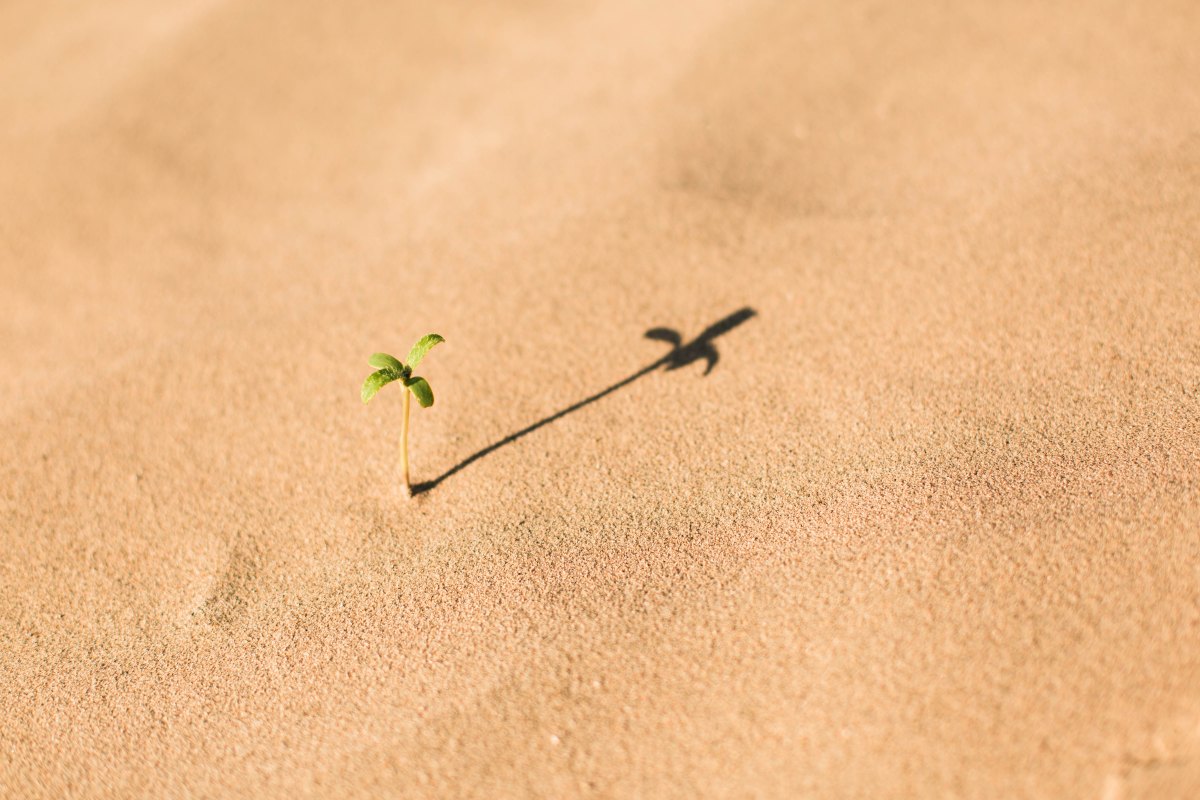
I roll out of bed after two days of rest from exercising. I do not want to work out today! Paradoxically, after such a long respite, I feel more tired than usual. But I don my clothes and shoes and start the physical self-flagellation exertion.
Curiously, I feel so much better afterwards. I actually have more energy after expending it: the fridge gets cleaned out, I chirpily run errands with the family and I feel like I can handle anything.
Not everyone feels this way, I know. But if you’re in a slump, give it a try. I’m recommending a challenging workout, not just a walk around the block. See if it works. (It’s better than over-caffeination, eating sugar or complaining!)
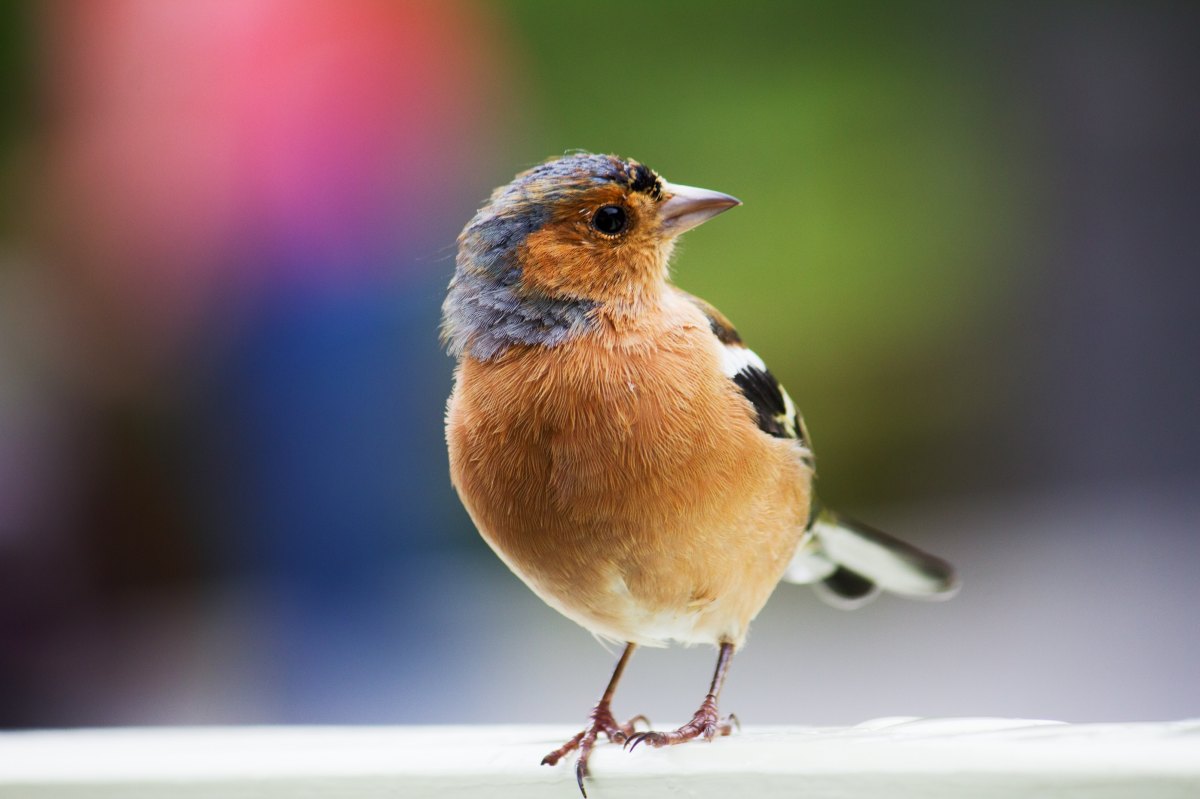
If you wake up grateful for the day – the sunshine, your comfy bed, your loved ones – and you continue this state of gratitude and presence, imagine how happy you would be.
Have you ever been sick with flu or had a broken bone and then realized you’ve recovered completely? Remember how happy you were just to be “back to normal?” This is gratitude and reverence and you can live in this light all the time, if you choose.

