Rx for Joy

IMG-1177
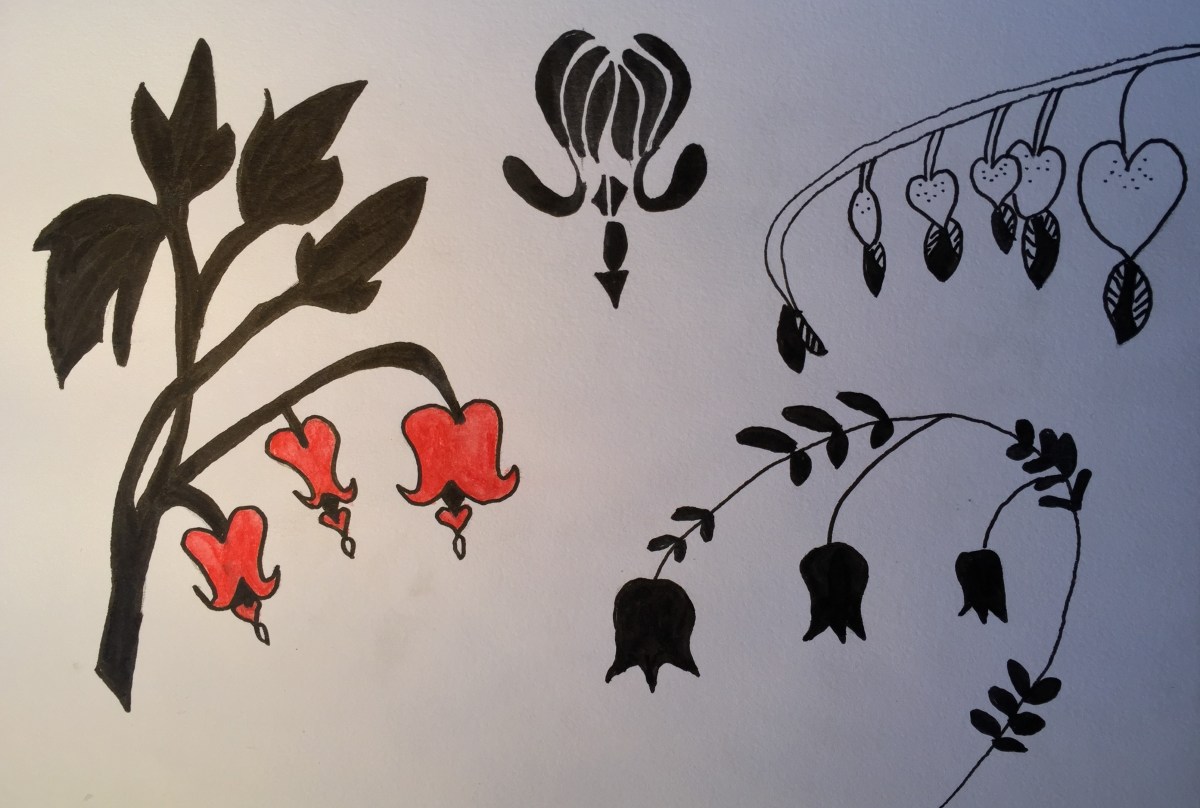
31 Day Painting Challenge: Day 21 Colorful Geometric Shapes

Current symptoms: listlessness, insomnia, constant hood of worry, anxiety, pessimism, road rage

Prescription: (To do at least once a day until symptoms disappear)

Go to a mall or your sister’s house or other place where toddlers are eating or playing (a children’s playground at the park or school is not advised for you might be reported for peculiar behavior – not your fault)

Observe toddler’s feet dangling from the chair; his cherubic cheeks and glistening eyes focused on what’s in front of him;

Note the fat hands hungrily – joyfully – grabbing the sandwich/spoon/bowl;

Listen, really listen, to his easy laughter and his babble.

If you could ask him, he’d tell you:

He’s not worried about tomorrow or fretting about the past;

He’s here, with you, and nothing else matters.


When toddler begins to cry or have a temper tantrum, cease the observation and seek a quiet place immediately.



Rumination

IMG-1109
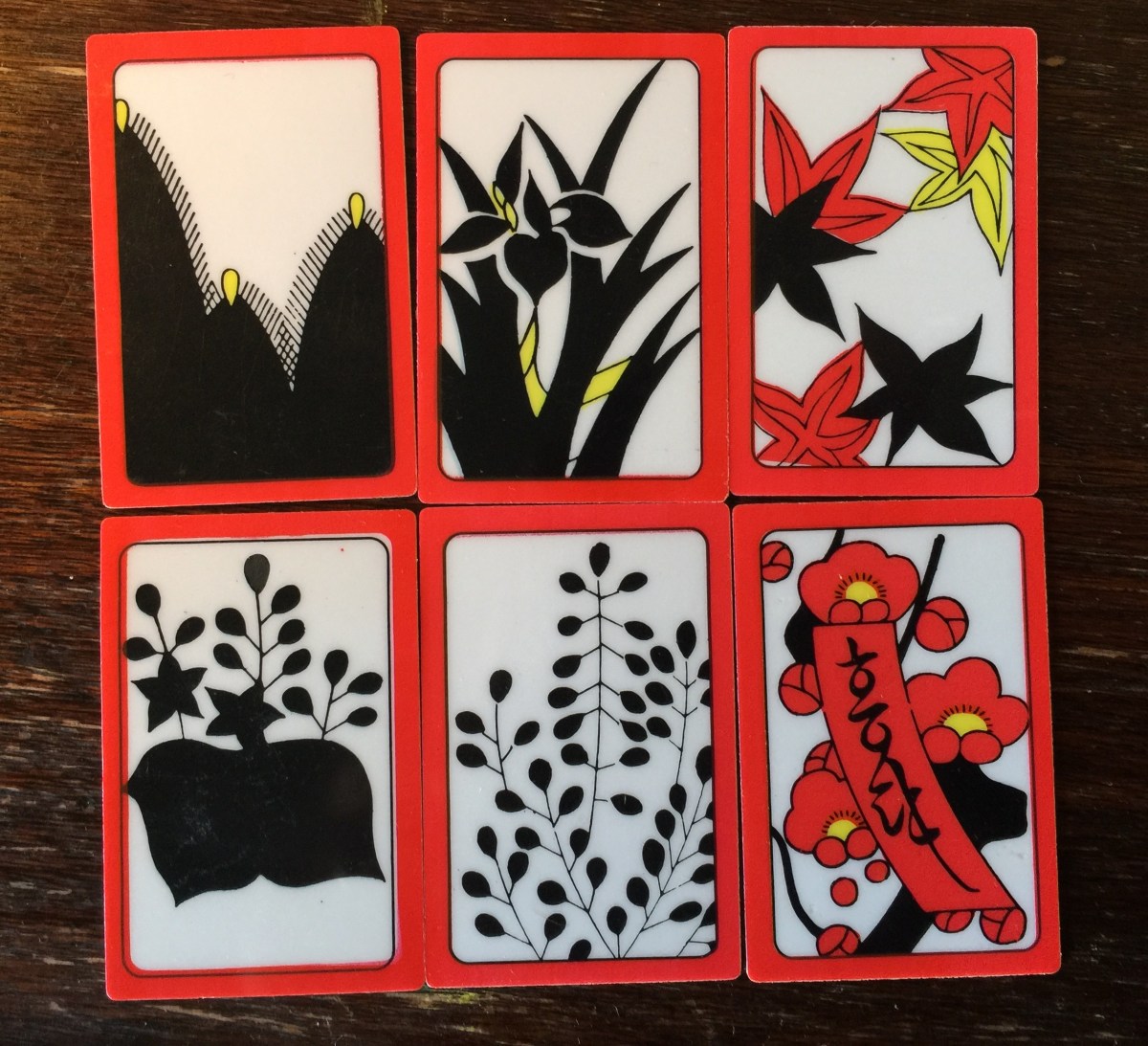
This doodle (exercise from Lisa Congdon’s How To Draw Everything) reminds me of the Korean card game hwatu!
IMG-1111
Hwatu

I used to “meditate” incorrectly. I closed my eyes and focused on being aware of my surroundings and my thoughts. I noticed my thoughts and tried to “let them go.” But my thoughts were either judgments or I was judging my thoughts (!) I assumed I was meditating correctly, because I was quite aware of everything…however, I was placing opinion on all of it.

Being present (meditating) means being aware of everything in the present time without judgment. 

If you’re like me, you’d be shocked at how much you judge yourself and others. With practice, you can minimize placing personal value on yourself and others. I catch myself doing it and am able to correct it.

Criticizing is the opposite of kindness and impedes inner peace.


The Surprising Science Behind Success

IMG-1092

As I mentioned before, Eric Barker’s book, Barking Up the Wrong Tree is definitely worth reading. Most of the book consists of interesting case studies to prove points (importance of networking, believing in yourself, risk-taking, being kind vs. ruthless, perseverance and the company you keep). However, his final chapter does a nice job of wrapping things up tightly.

In a nutshell, here is what he (and tons of research) find:

You must define success for yourself.

There are four quadrants to everlasting happiness:

  • Enjoyment, winning (achievement), feeling significant (to others) and one’s legacy (extending oneself).

Barker recommends creating an actual grid and listing action items for each category. Also, he believes there is value in tracking what you are actually doing against this grid (Netflix marathon would not qualify for “enjoying” – rather, being in the flow of work is true enjoyment).

Lastly, Barker says scheduling your to dos is much more effective than a list!