
“There is nothing to fear, but fear itself.”
Franklin D. Roosevelt
“There is nothing to fear, but fear itself.”
Franklin D. Roosevelt
I was listening to the Rich Roll podcast with Susan David, a medical doctor and researcher out of Harvard. They were talking about emotional agility, which is handling our emotions in a positive and flexible way, without shame and permanence. Apparently, this resonates with a lot of people as her TedTalks have been watched millions of times!
One example she cited about “social contagion” leaped out at me:
Let’s say you have decided to go on a health kick and you want to avoid junk food. You get on a plane and sit next to a stranger. He buys a candy bar. There is a 70% chance that you, too, will purchase a sugary sweet. 70%! That is social contagion.
More on this tomorrow…

“If I think you’re my problem, I’m insane.”
Byron Katie
Any time you feel defensive, your ego is being manipulative. You are attempting to hold onto an identity that you want others to perceive.
Meditate on it. Change if it makes sense to…or just let it go.

Here is a continuation of my notes on Paul Tough’s research regarding “grit, curiosity, and the hidden power of character” as it pertains to children:
“Duckworth realized self-control has limitations. She believed that a passionate commitment to a single mission and an unswerving dedication to achieve that mission are more relevant when it comes to inventing something new or creating an award-winning (movie)/project. She called this characteristic grit.”
She created a 12 (now 10) question survey that turned out to be a remarkably accurate predictor of success.
It was more accurate a predictor of graduation rates for West Point than their own assessments.
Levin, Randolph, Seligman and Peterson narrowed a set of strengths that were indicators of life success and happiness:
They then created a “character report card”
Much confusion among educators regarding “character” – is it moral? Is it “performance character?”
Wealthy families may have “helicopter” parents (parents who hover over their kids as they do homework, sports, etc) but that does NOT mean they are spending quality family time together. In fact, many high-achieving, wealthy families are not closely bonded.
KIPP used to practice a lot of disciplinary action (some of which Levin regretted)
SLANT – stand up, listen, ask questions, nod, and track – taught at KIPP 5th grade
Code-switching – you must learn and practice proper behavior for the museum, college interview and nice restaurants
Rich kids at Riverdale wear casual clothes and slouch
Kids at KIPP are taught to have good posture and track teachers…formal speech
The administrators of both schools disagree on this point – what should students be taught?
I had my 5th graders list the most important characteristics in their friends – and to prioritize them. Here are two responses:

You’ve got to love how candid kids can be – “too talkative” – nobody likes that, right?
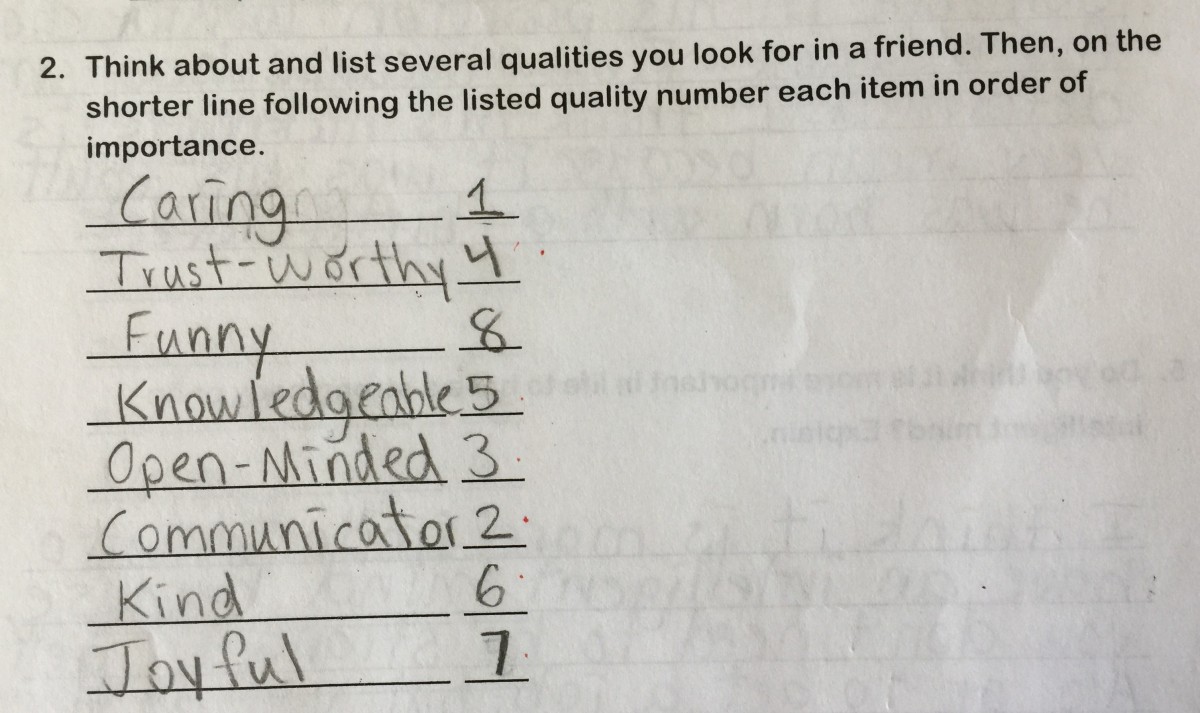
I noticed that out of 61 5th graders, “trust” and “kindness” were the top two answers.

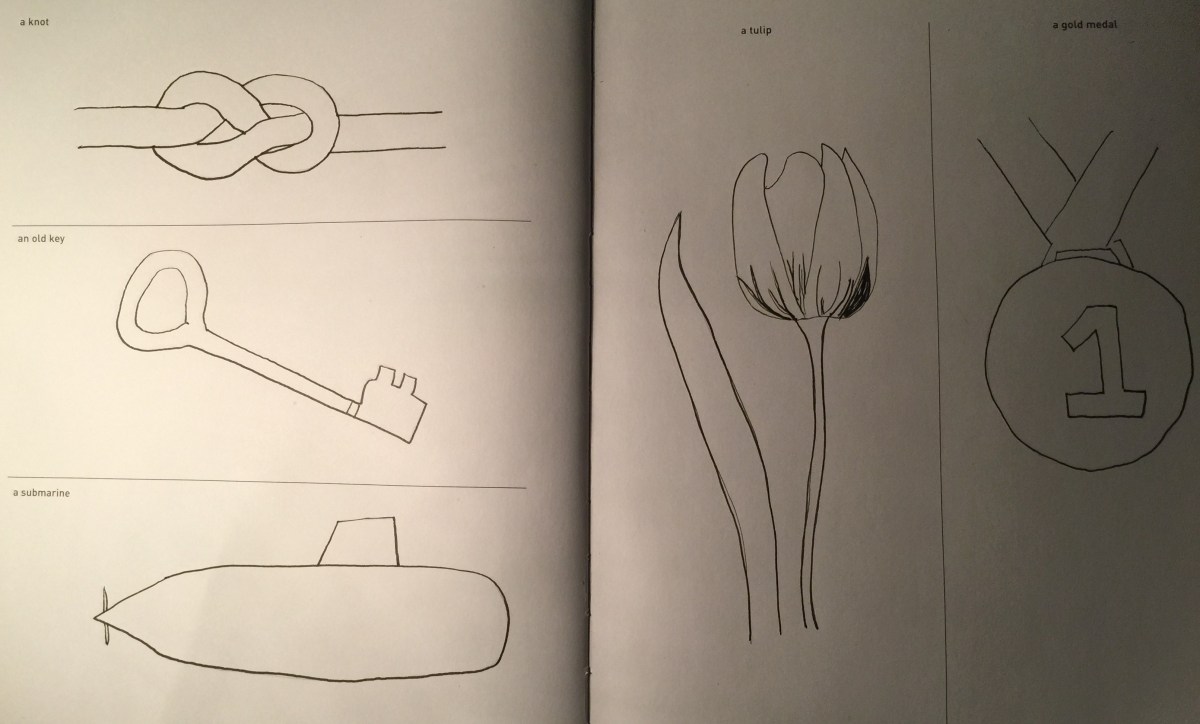
As a huge fan of Lisa Congdon, I’ve basically exhausted her classes on Creativebug.com. I decided to venture out and try another artist: Molly Hatch. She’s awesome and does design work for Anthropologie. I’ve never taken art classes and she taught “the basics” which are very good to know:
Rule of the Thirds:

Basically, you make a grid of thirds (She did it on tracing paper) to help you visualize the “four corners” of intersection.” The focal point of your art (for the viewer) will be in the center and ideally, your art should touch these areas.
I love being a beginner – everything is fresh.
Art washes away from the soul the dust of everyday life.
Pablo Picasso

Work is good, but don’t forget the fun! Otherwise, what’s the point?

He sighs as I speak
I’m his teacher
why talk about guns?
He loves them
I recount my weekend
driving up steep hills to find a lake
gunshots all around me
men with rifles and cans of beer (target shooting)
My dog was quivering beneath the seat
I express my distaste of weapons
Have I crossed a line?
THE line?
It’s a funny time…
When two comes before one
 Kismet