
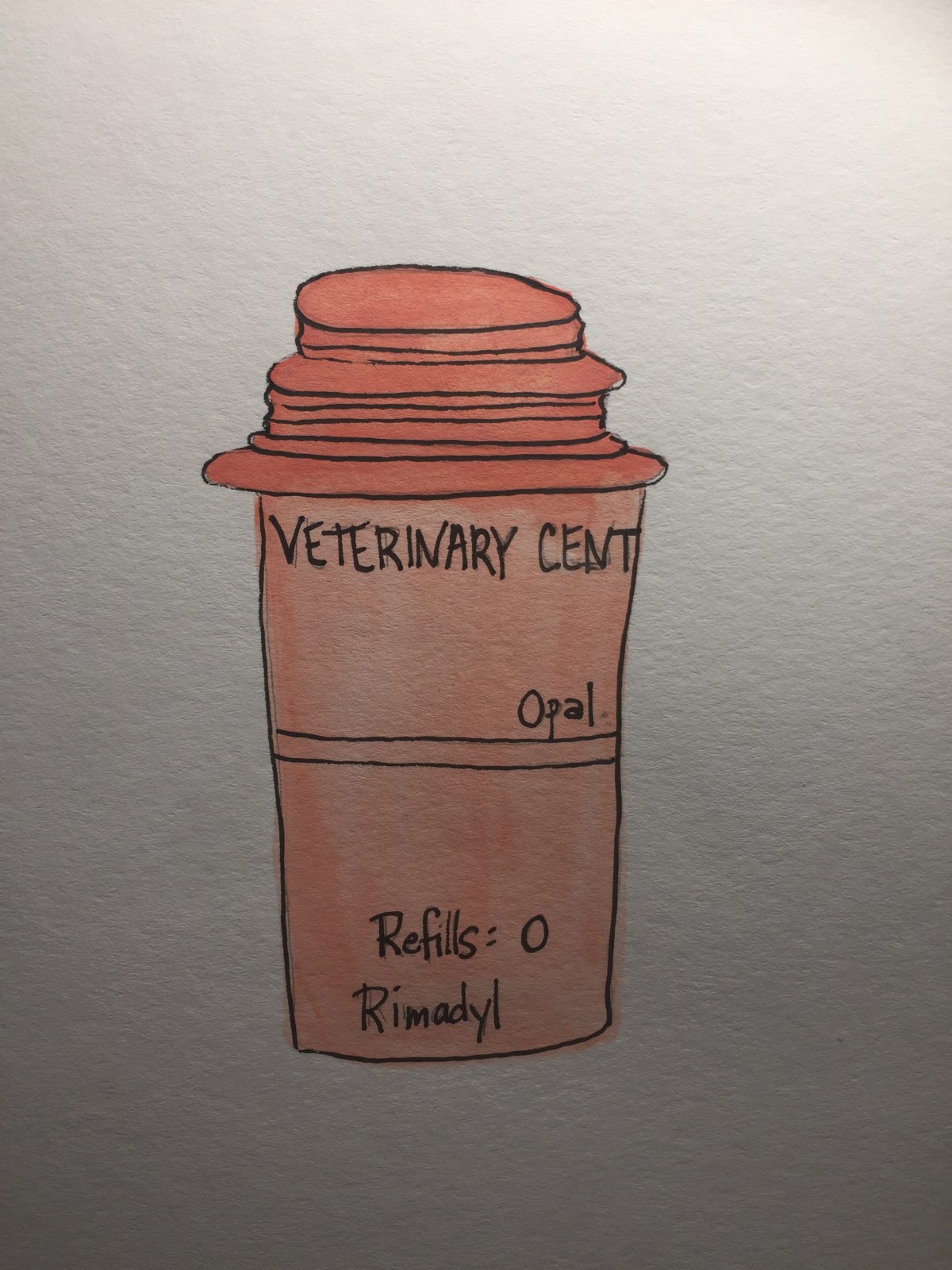
Little black canine – my loving shadow
O Growler of Other Dogs and
One of Insatiable Appetite
Your spirit is ceaselessly bold
yet your haunches have caused affright
Little black canine – my loving shadow
O Growler of Other Dogs and
One of Insatiable Appetite
Your spirit is ceaselessly bold
yet your haunches have caused affright

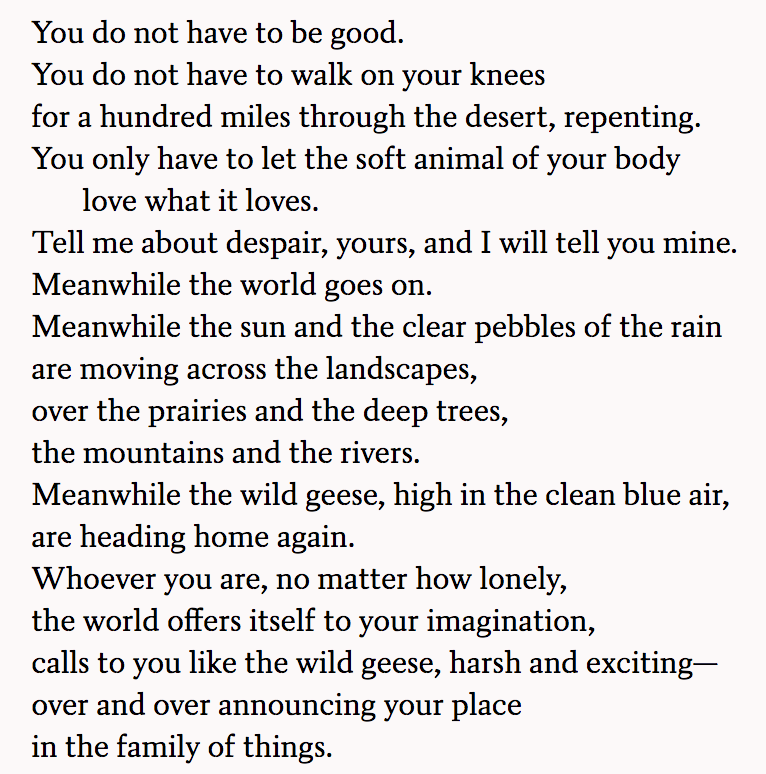
Oliver, who cited Walt Whitman as an influence, is best known for her awe-filled, often hopeful, reflections on and observations of nature. “Mary Oliver’s poetry is an excellent antidote for the excesses of civilization,” wrote one reviewer for the Harvard Review, “for too much flurry and inattention, and the baroque conventions of our social and professional lives. She is a poet of wisdom and generosity whose vision allows us to look intimately at a world not of our making.”
Her honors include an American Academy of Arts & Letters Award, a Lannan Literary Award, the Poetry Society of America’s Shelley Memorial Prize and Alice Fay di Castagnola Award, and fellowships from the Guggenheim Foundation and the National Endowment for the Arts.
Oliver held the Catharine Osgood Foster Chair for Distinguished Teaching at Bennington College until 2001. She lived for over forty years in Provincetown, Massachusetts, with her partner Molly Malone Cook, a photographer and gallery owner. After Cook’s death in 2005, Oliver later moved to the southeastern coast of Florida. Oliver died of cancer at the age of eighty-three in Hobe Sound, Florida, on January 17, 2019.
*This contents of this post come from Poets.org
Mary Oliver reminds me to look to nature whenever I feel humans are letting the world down. Rejoice in the strength of the trees and the persistent bloom of flowers.
-CCW
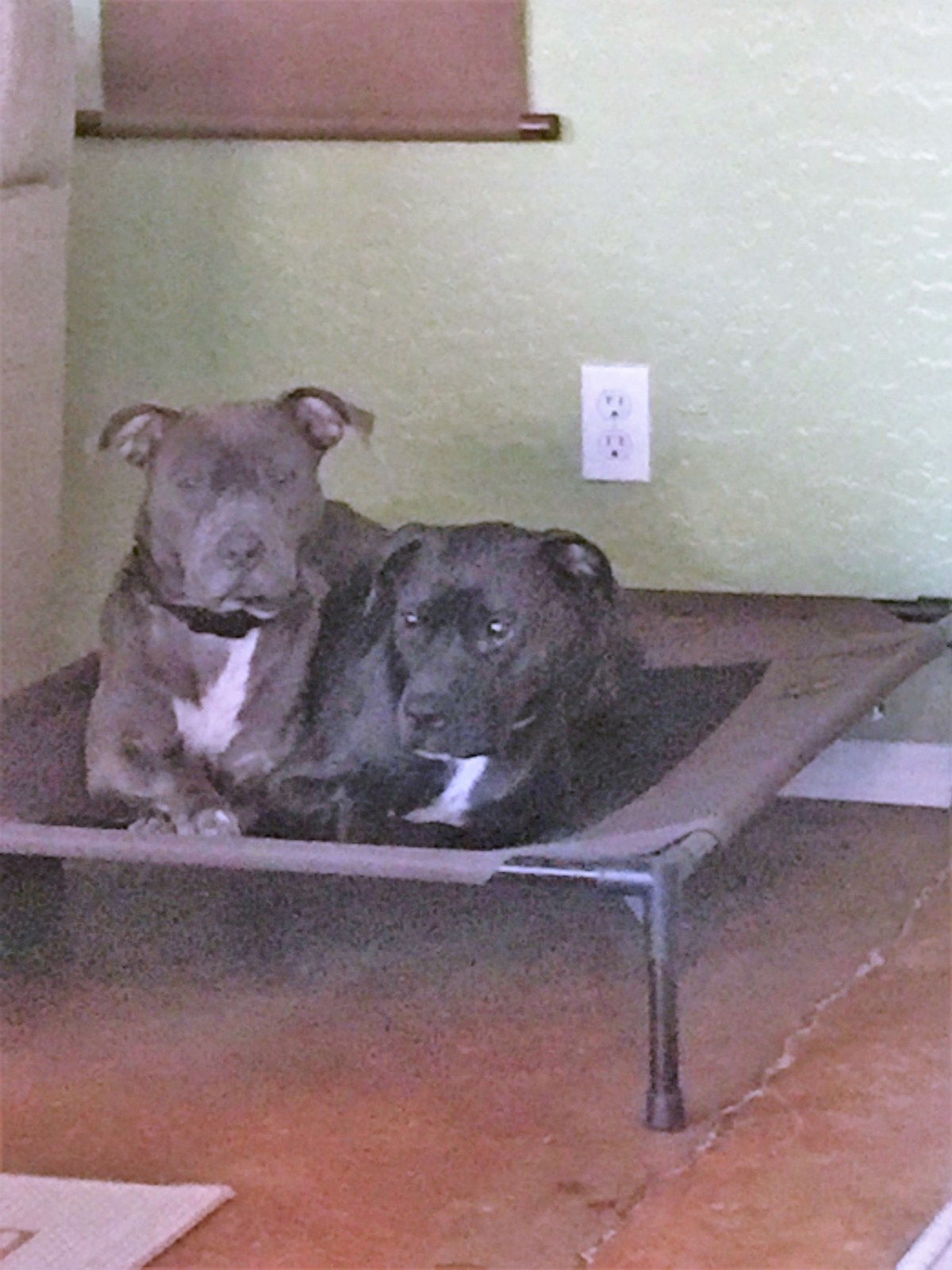
A month ago, they were fighting so much we had to muzzle them when they were in the same room.
What changed?
A slow transition to unmuzzled company.
Daily exercise.
Firm but loving handling: sitting before going out a door, sitting before feeding, etc.
Immediately redirecting any aggressive behavior.
Lots of positive reinforcement of good behavior.
Dogs are a lot like humans!

“My kids are around pit bulls every day. In the ’70s they blamed Dobermans, in the ’80s they blamed German Shepherds, in the ’90s they blamed the Rottweiler. Now they blame the Pit Bull.”
―
In training our new dog to like her crate, I randomly place tasty treats inside and keep the door open. When we first got her, she refused to go in – most likely because it reminded her of the kennel where she lived with hundreds of other dogs.
But quickly, she grew to associate her crate with treats. Only happy things happened there: some peace and quiet, a warm bed and chicken jerky.
We can do the same for ourselves. We can create positive associations to activities and places that are good for us that we might not feel so great about right now.
There are a group of cyclists that ride by my community every morning around 5:30 a.m. Most likely, they don’t think Ugh, have to wake up early and go riding again. Instead, they might associate this activity with camaraderie, friendship, and a feeling of vitality.
The ultimate power lies in knowing how to train ourselves to be better.


These dogs are 100% true to themselves, apparently.
“Stress is the alarm clock that lets you know you’ve attached to something not true for you.”
Byron Katie

 +
+ =
=

 Kismet