
Anger is a huge ego inflator. Lashing out is an attempt to make someone feel guilty. And then your ego feels superior. But it’s not helpful to you or the recipient. It simply creates more drama.
Elkhart Tolle
Anger is a huge ego inflator. Lashing out is an attempt to make someone feel guilty. And then your ego feels superior. But it’s not helpful to you or the recipient. It simply creates more drama.
Elkhart Tolle

The most important resource is resourcefulness.
Tony Robbins

If you’ve read Aesop’s fable, The Crow and the Pitcher, you know that the moral is “Little by little does the trick.” My 5th graders read the fable and then were assigned a response: Give an example from your own life that describes this moral.
Here are a few responses:
When can you do little by little to achieve your goals?

This includes:
Putting more hours in;
Doing smarter research;
Visualizing it happening and then doing more work; or
Thinking about it differently and accepting it for what it is. This last possibility escapes most people. They don’t believe they can think or feel differently about something. And they don’t feel they can accept reality. But they can!

As I mentioned before, Eric Barker’s book, Barking Up the Wrong Tree is definitely worth reading. Most of the book consists of interesting case studies to prove points (importance of networking, believing in yourself, risk-taking, being kind vs. ruthless, perseverance and the company you keep). However, his final chapter does a nice job of wrapping things up tightly.
In a nutshell, here is what he (and tons of research) find:
You must define success for yourself.
There are four quadrants to everlasting happiness:
Barker recommends creating an actual grid and listing action items for each category. Also, he believes there is value in tracking what you are actually doing against this grid (Netflix marathon would not qualify for “enjoying” – rather, being in the flow of work is true enjoyment).
Lastly, Barker says scheduling your to dos is much more effective than a list!

Ambition is the strong desire to achieve something.
Aspiration is the hope to achieve something and it also means to draw breath.
Appetite is the natural desire to satisfy a bodily need.
I posit this: that it’s best to work from your appetite when it comes to striving for something. You should literally feel it in your gut and your heart- and allow that to drive your actions. Your body will never steer you wrong.
If your labor is derived from aspiration – the hope with the breath – that is almost as good.
And if you blindly seek your ambition – that desire which originates and stays within your mind – there is a danger that it’s misguided.
“We get more of what we respond to.”

Like Moths to a Flame...This adage refers to the belief that people are driven by misguided values (such as greed or lust) and that this inevitably leads to self-destruction (moths commit suicide when they fly to the light).
Entomologists still don’t know why moths do this. With each hypothesis, there are contradictions to the assertion. Thus, the mystery continues. (LiveScience)
Something that we DO know is that people often kill their dreams through self-doubt and bad habits. It’s a slow and painless death. In fact, it might be quite enjoyable: Netflix Marathons, junk food binges and endless chatting on social media are feel good in that moment.
But…
Passivity is killing your End Game. [End Game = publishing your book, starting your company, getting a better job, fostering rich relationships, running a marathon, losing 20 lbs., etc.]
Each day is precious. What action can you take to replace just one self-sacrificing habit today?

Before you resolve to start an endeavor (or stop a bad habit), you may want to take time to reflect, first.
“Pain + Reflection = Progress (Ray Dalio)”
What worked for you this year? What didn’t? What did you do fantastically well? What could you have improved? What pains did you endure and what did they teach you?
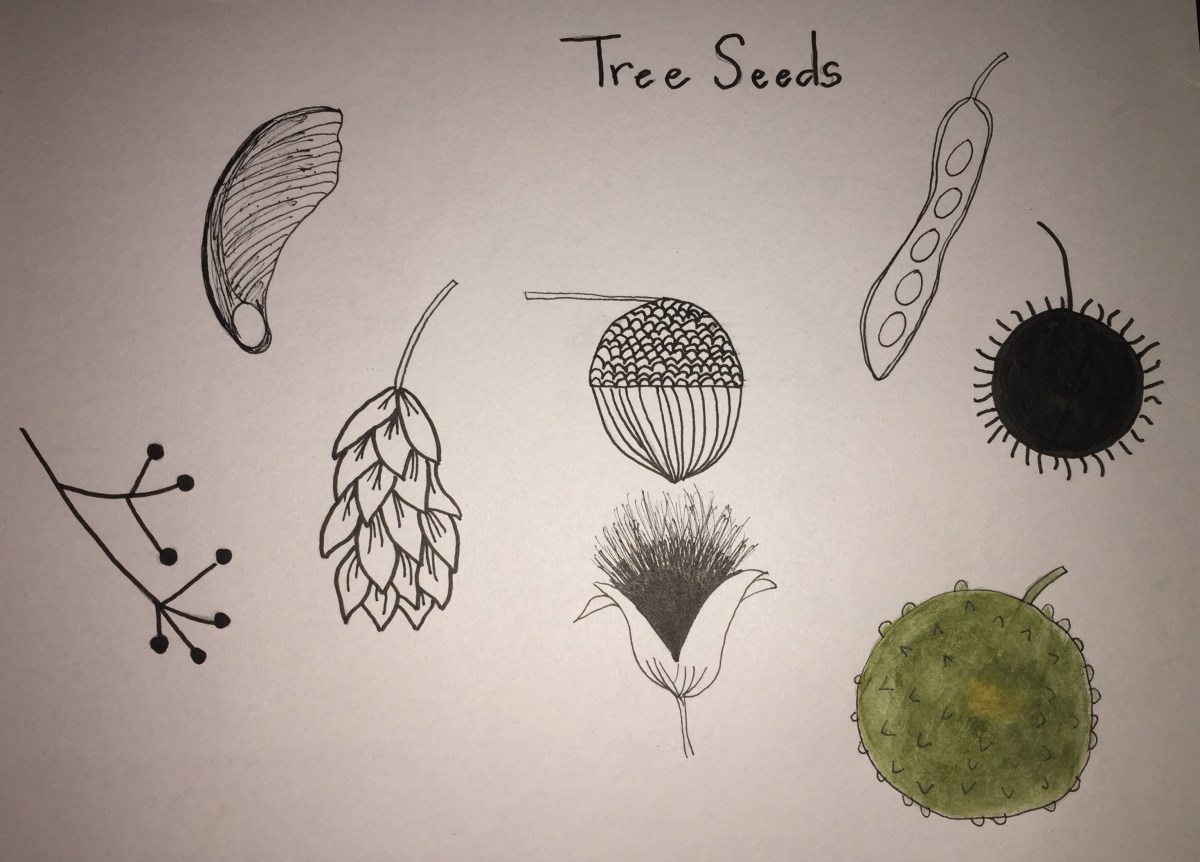
Goals and resolutions are like seeds. Under proper care, they will germinate.

 Kismet